
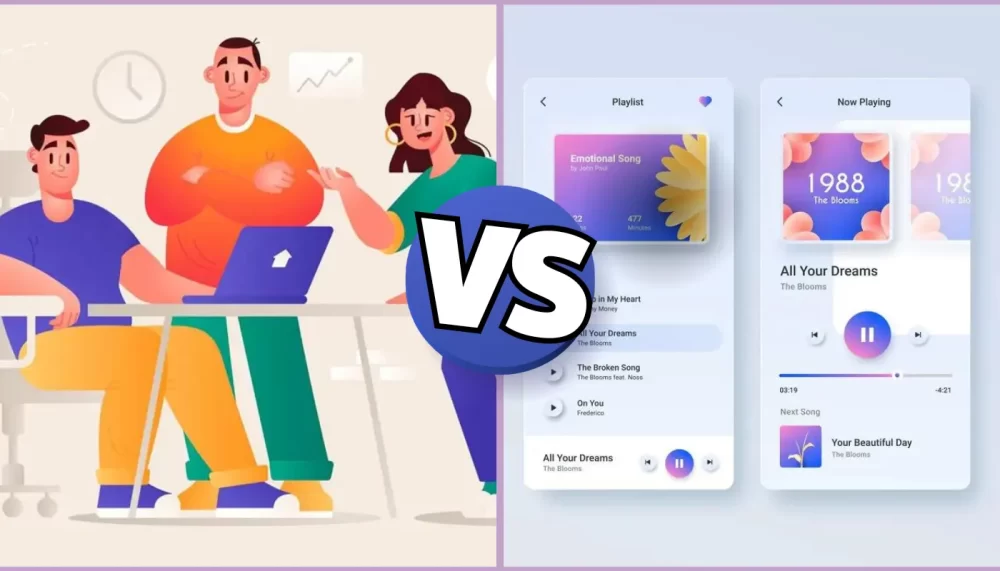
Flat Design vs Skeuomorphism highlights two popular design styles. Flat design is favored for its simplicity and usability, while skeuomorphism employs realistic visuals to aid user understanding. As technology evolves, it’s crucial for designers to grasp these styles for creating engaging experiences.
Both styles play significant roles in digital design—Flat Design emphasizes minimalism and clean interfaces, while Skeuomorphism uses familiar imagery to enhance usability. Understanding the strengths of each helps designers make informed choices that improve user interactions. This comparison will outline their differences and benefits, guiding effective design decisions in the context of Flat Design vs Skeuomorphism.
Summary
The text discusses two popular design styles: Flat Design and Skeuomorphism. Flat Design focuses on minimalism and usability, using solid colors and clean lines, while Skeuomorphism incorporates realistic visuals to aid user understanding. Both styles have their unique benefits and applications, influencing user experience in digital design. The choice between the two depends on context, user needs, and current trends.
Key Takeaways
- Flat Design:
- Emphasizes simplicity, minimalism, and functionality.
- Features solid colors and avoids three-dimensional effects.
- Popular in modern applications like Spotify and Windows 10.
- Skeuomorphism:
- Mimics real-world objects with realistic textures and visuals.
- Useful for user familiarity, especially in educational tools and apps for older demographics.
- Examples include early versions of iOS and applications like Apple’s Notes.
- User Preferences:
- Younger users tend to prefer Flat Design for its modern look.
- Older users may favor Skeuomorphism due to familiarity with traditional visuals.
- Current Trends:
- A blend of both styles is emerging, integrating minimalism with familiar textures.
- Future design may be influenced by AR and VR technologies.
- Conclusion:
- Neither design style is better universally; the choice should be based on user needs, project goals, and industry trends.
What is Flat Design?
Flat design is a minimalist design approach that emphasizes simplicity and functionality. This design style avoids three-dimensional effects, shadows, and gradients, focusing instead on clean lines and solid colors. It emerged in the early 2010s, gaining popularity with the rise of mobile applications. Key characteristics include a lack of visual depth and a focus on usability. The style promotes an efficient user experience by reducing distractions and directing attention to essential content.
Examples of Flat Design

Prominent examples of flat design can be seen in various popular applications, such as:What Are the Two Main Objectives Associated with Data Mining?
- Spotify: Utilizes flat icons and a clean interface for easy navigation.
- Microsoft’s Windows 10: Features a flat aesthetic through its tiles and icons.
What is Skeuomorphism?
Skeuomorphism is a design principle where objects retain ornamental design cues from structures that were necessary in the original. For instance, a digital notepad may resemble a physical notebook. This style was prominent in the early days of digital design, particularly in user interfaces, where familiar textures and realistic visuals helped users navigate new technologies. Key characteristics involve rich textures, gradients, and realistic elements that mimic real-life counterparts.
Examples of Skeuomorphic Design
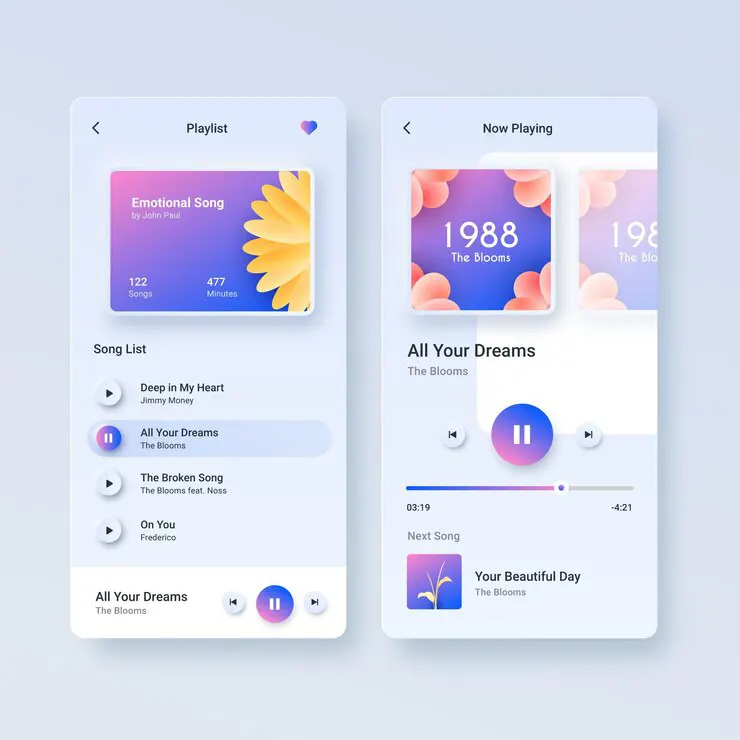
Common examples of skeuomorphic design include:
- Apple’s Early iOS: Featured realistic textures in apps like Notes and Calendar.
- Digital Cameras: Applications that mimic the look and feel of traditional cameras.
How Do Flat Design and Skeuomorphism Differ?
Flat design and skeuomorphism differ significantly in their principles. Flat design favors simplicity and clarity, while skeuomorphism relies on realism and familiarity. Visually, flat design appears cleaner and more modern, while skeuomorphic designs can feel more engaging due to their lifelike elements. User experience implications also vary; flat design typically enhances speed and responsiveness, whereas skeuomorphic design may provide clearer guidance through familiar visuals.
Visual Comparison
- Flat Design: Uses solid colors, minimalistic icons, and straightforward typography.
- Skeuomorphism: Incorporates shadows, textures, and design elements that imitate real-world objects.
Why is Flat Design Popular?
Flat design has become popular due to its prominent use in various applications, including social media platforms and navigation apps. Examples include platforms like Instagram and Twitter, which utilize flat design to create an intuitive user experience. Research studies show that users often prefer flat design for its speed and ease of navigation.How To Transfer Facetime From iPhone To MacBook
User Preference Insights
Surveys indicate that users appreciate the simplicity of flat design, leading to quicker load times and a more streamlined interface. This makes it especially favorable for mobile devices where performance is crucial.
What Makes Skeuomorphism Still Relevant?
Skeuomorphism remains relevant in specific contexts where user familiarity is crucial. Applications like Apple’s Notes app showcase skeuomorphic elements to create a sense of comfort and usability. Popular applications that utilize this style include early versions of iOS and certain gaming interfaces. Research indicates that skeuomorphic designs can help users learn new technologies more quickly by leveraging prior experiences.
User Engagement
Skeuomorphic designs tend to engage users by providing a sense of realism and interaction that appeals to their familiarity with physical objects. This can be particularly effective in educational tools or applications designed for older generations.
What are the Benefits of Each Design Style?
Benefits of Flat Design
- Simplicity: Flat design reduces clutter, making it easier for users to focus on content.
- Speed of Loading: Lightweight graphics lead to faster loading times, enhancing user experience.
- Modern Aesthetics: Flat design aligns with contemporary trends, appealing to modern audiences.
- Responsive Design: Works well across various devices, adapting seamlessly to different screen sizes.
Benefits of Skeuomorphism
- Familiarity: Users can relate to familiar visuals, easing the learning curve for new applications.
- Realism: Realistic designs can enhance engagement by making interfaces feel more tangible.
- Enhanced User Guidance: Visual cues from real-world objects can guide users intuitively through tasks.
- Emotional Connection: Skeuomorphic designs often evoke nostalgia or comfort through their familiar representations.
When to Use Flat Design vs Skeuomorphism?
Situations Favoring Flat Design
- When creating modern web applications that require quick navigation.
- In mobile apps where screen space is limited and clarity is key.
- For brands aiming for a contemporary image that resonates with younger audiences.
Situations Favoring Skeuomorphism
- When designing educational tools that benefit from user familiarity.
- In applications meant for older demographics who may prefer traditional visual cues.
- For products that aim to evoke specific emotions or memories through their interface.
Case Studies Illustrating Successful Applications
Both styles have been successfully applied in various case studies. For example, Google’s Material Design incorporates aspects of both styles to enhance usability while maintaining aesthetic appeal. Additionally, many successful apps have transitioned from skeuomorphic designs to flat designs as user preferences evolved.A Comprehensive Basic Guide to Coding for Web Design!
How Do User Preferences Impact Design Choices?
Research on user preferences shows varied inclinations towards flat vs. skeuomorphic designs based on demographics. Younger users often favor flat designs for their modern look, while older users may prefer skeuomorphic designs that mimic familiar objects. User feedback from usability studies indicates that incorporating elements from both styles can enhance overall satisfaction.
Testing User Preferences
A/B testing can be employed to determine which design style resonates best with target audiences. By presenting users with different interface options and gathering data on their interactions, designers can make informed decisions tailored to user preferences.
What are the Current Trends in Design?
Current design trends reflect a blend of both flat design and skeuomorphism. Many designers are exploring how to integrate modern minimalism with familiar textures to create engaging interfaces. Predictions suggest that future trends will continue evolving towards hybrid designs that cater to diverse user preferences.
Future Directions
Emerging technologies such as augmented reality (AR) and virtual reality (VR) are likely to influence future design trends. Designers may need to adapt both flat and skeuomorphic elements to create immersive experiences that engage users on multiple levels.4G/LTE – RRC: Understanding the Master Information Block (MIB) and Its Transmission Cycles
Conclusion: Which Design Style is Better?
In summary, neither flat design nor skeuomorphism can be deemed universally better; each has unique advantages based on context and user needs. Understanding the characteristics and benefits of each style allows designers to make informed choices tailored to specific projects. Exploring both styles can lead to innovative solutions that enhance user experience.
Final Thoughts
Ultimately, the choice between flat design and skeuomorphism should be guided by user needs, project goals, and current trends in the industry. By leveraging the strengths of both styles, designers can create interfaces that are not only visually appealing but also highly functional.
Additional Resources
For further reading on design principles, consider exploring articles on user experience and current trends in digital design. Internal links to related articles can provide deeper insights into specific topics within this domain.
How is Artificial Intelligence Changing the Recruiting Process Quizlet?