
Have you ever wondered about the origins of branding? The question is what is the first logo? might seem simple, but it opens the door to a fascinating journey through time. Logos are more than just images: they tell stories, represent ideas, and connect us to the brands we trust.
Imagine walking through ancient marketplaces where merchants used symbols to identify their goods. These early logos were not just decorative; they were essential for trade and communication. As we explore this topic, you’ll discover how these symbols evolved into the logos we see today, shaping our perceptions and experiences.
Curiosity sparks the desire to learn more. From ancient civilizations to modern businesses, logos have played a vital role in how we understand and interact with the world around us. Each logo carries a piece of history and a lesson about creativity, marketing, and identity. So, let’s dive into this intriguing world where design meets meaning, revealing the story behind the very first logo.
What is the First Logo?
Understanding the First Logo: A Historical Overview
Logos are crucial elements in branding, serving as the visual shorthand for a company’s identity and values. Their evolution tells a fascinating story about how businesses have communicated with audiences over time. Understanding the origins of logos helps us appreciate their role in today’s marketing landscape.
What Defines a Logo?
A logo is more than just an image; it is a symbol that embodies the essence of a brand. Logos are designed to be instantly recognizable, helping consumers identify and differentiate products in the marketplace. In ancient times, craftsmen marked their goods with unique symbols, similar to logos, to signify authenticity and quality. These early marks laid the groundwork for what we now recognize as modern logos.
Fruit of the Loom Logos: Meaning & History (Old Cornucopia)The Origin of Logos
The concept of logos has roots in ancient civilizations, where symbols and emblems played essential roles in communication and identification. For instance, Egyptian hieroglyphs and Roman symbols served functions similar to logos, representing individuals, families, or organizations. These symbols were important for establishing identity and conveying messages without words.
The First Recognized Logo
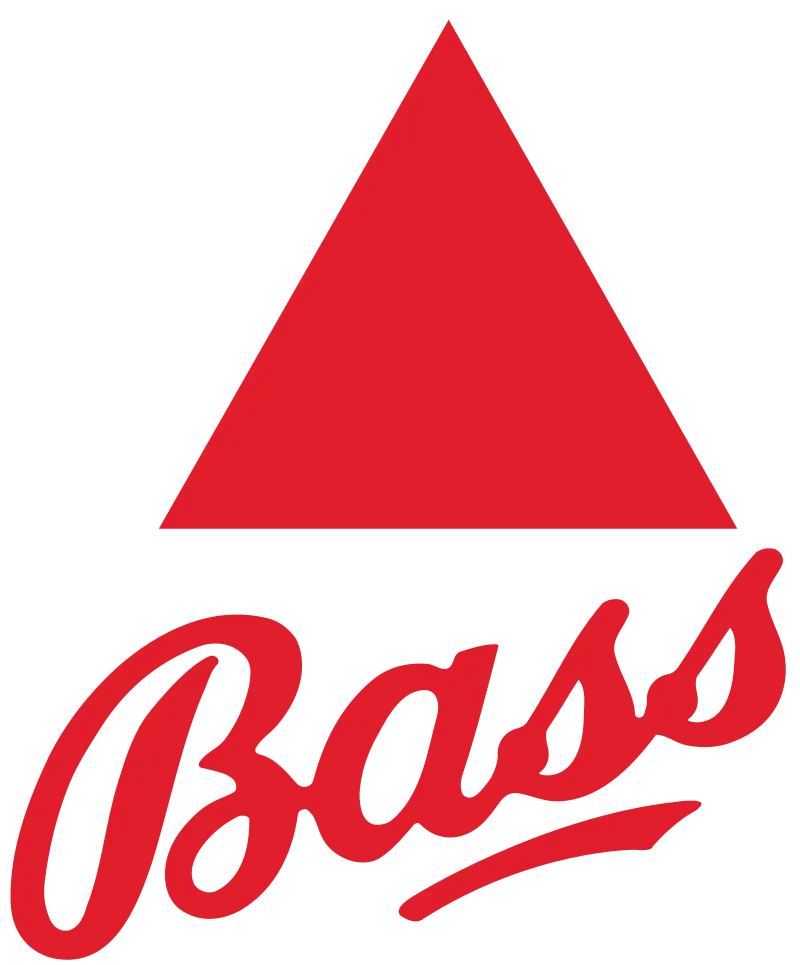
The Bass Brewery’s red triangle, trademarked in 1876, is often considered the first modern logo. This simple yet effective design marked a pivotal moment in branding history. The red triangle was not only distinctive but also legally protected as one of the first registered trademarks, underscoring the growing importance of brand identity in commerce.
Why Was This Logo Created?
The Bass red triangle was designed to help consumers quickly identify the brewery’s products amidst increasing competition. By creating a strong visual identity, Bass Brewery could assure customers of the quality and consistency of its beer, fostering brand loyalty and recognition.
Thunderbird Unveils a Striking Logo Redesign: Embracing the Past, Leaping into the FutureHow Did Logos Evolve Over Time?
Over time, logos have evolved from simple marks to complex designs that convey a brand’s mission and values. This evolution has been driven by changes in consumer expectations and technological advancements. Early logos were hand-drawn and monochrome, but as printing technology improved, logos became more colorful and intricate.
The digital age has further transformed logo design, emphasizing versatility and scalability. Modern logos must work across various platforms and devices, maintaining their impact whether displayed on a billboard or a smartphone screen.
Case Studies of Iconic Logos
Many modern logos draw inspiration from early designs like the Bass triangle. For example, Nike’s swoosh and Apple’s bitten apple are iconic due to their simplicity and strong association with their respective brands. These logos are effective because they are easily recognizable and convey a clear message about the brand’s identity.
Star Wars Logo: History, Design, and Legal Use ExplainedWhat Makes a Logo Effective?
An effective logo is simple, memorable, and relevant to its brand. It should be versatile enough to work in various sizes and contexts while remaining visually distinct. Successful logos balance aesthetics with functionality, ensuring they resonate with target audiences and reinforce brand values.
Examples include Coca-Cola’s script logo and McDonald’s golden arches. These designs have become integral parts of their brands, instantly evoking the products and emotions they represent.
Frequently Asked Questions
What materials were used in early logo designs?
Unveiled Secrets of the United States Marine Corps Logo!Early logos were crafted using traditional media such as ink, paint, and etching on materials like parchment or paper.
How have logos adapted to digital media?
Modern logos are designed to be flexible and scalable, ensuring they maintain clarity and impact across digital platforms such as websites, social media, and mobile apps.
Conclusion
The first logo set a precedent for branding by highlighting the power of visual identity. As businesses evolve, logos continue to play a vital role in establishing brand recognition and customer loyalty. Understanding their history enriches our appreciation of their importance in contemporary marketing.