

Ethos, Pathos, and Logos are essential principles of persuasion widely used in writing, speeches, and rhetoric. First introduced by Aristotle, these modes of persuasion form the foundation for influencing audiences effectively. Ethos appeals to credibility, Pathos targets emotions, and Logos relies on logic and reason.
This article delves into “What Is Ethos, Pathos, and Logos,” providing definitions, examples, and insights into their applications in persuasive writing. You’ll also learn what these concepts are called as rhetorical strategies and how they are used in analysis. By the end, you’ll have a thorough understanding of these concepts and how they can be used to craft compelling messages.
What Is Ethos, Pathos, and Logos?
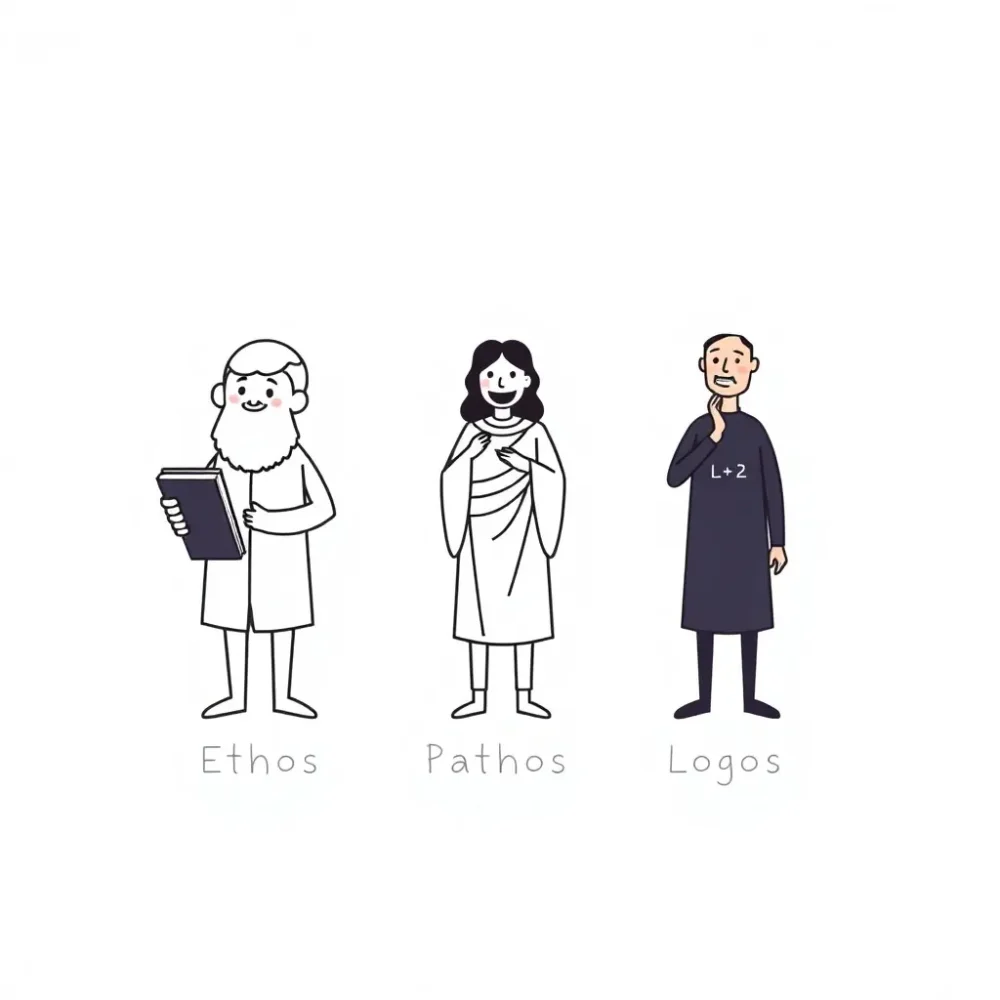
Ethos, Pathos, and Logos are rhetorical strategies that help persuade an audience. They are often called the three pillars of persuasion because they appeal to credibility, emotion, and logic.
Ethos: Credibility and Authority
Ethos is all about establishing credibility and trust. It involves convincing the audience that the speaker or writer is knowledgeable and ethical. For instance, referencing academic qualifications or professional experience powerfully establishes credibility.
When ethos is strong, the audience is more likely to believe the message. To establish an ethos in writing or speaking, focus on showcasing expertise, using formal language, and citing reliable sources.
Best Tattoo Fonts And Lettering Generators (2026): Design Your Perfect InkPathos: Emotional Appeal
Pathos aims to engage the audience on an emotional level. It is used to evoke feelings like compassion, anger, or joy to make the message resonate on a personal level. Advertisements often use pathos by telling emotional stories or showing relatable scenarios.
To wield pathos effectively, one must grasp the values and emotional triggers of the audience. A balanced approach ensures that emotional appeals enhance the message without appearing manipulative.
Logos: Logical Reasoning
Logos relies on evidence and logical arguments to persuade the audience. It involves presenting data, facts, or well-reasoned arguments that appeal to intellect rather than emotions. For example, incorporating statistics or scientific research significantly enhances the logical appeal (logos) in communication.
Proof of Human: The 2026 Guide to Uncopyable Post-Latent Logo DesignLogos is crucial in debates, academic writing, and presentations where rationality matters most. A well-defined structure combined with supporting evidence enhances the effectiveness of logos in persuading audiences.
What Are Ethos, Pathos, and Logos With Examples?
Examples of ethos, pathos, and logos illustrate how these strategies work in practice. They are commonly used together to create persuasive messages in speeches, essays, and advertisements.
Example of Ethos
A lawyer presents their extensive years of experience and impressive success rate to establish credibility and strengthen their argument. Their credibility convinces the judge and jury to trust their argument.
Puerto Rico Aesthetic 2026: The Ultimate Visual Guide to Boricua Vibes, Style, and DesignExample of Pathos
In a public service announcement about drunk driving, a video shows a grieving family after losing a loved one. The emotional story appeals to pathos by evoking sadness and urging viewers to drive responsibly.
Example of Logos
A politician argues for healthcare reform by presenting statistics about rising medical costs and comparing them with other countries’ systems. This logical reasoning appeals to logos by providing factual evidence to support their case.
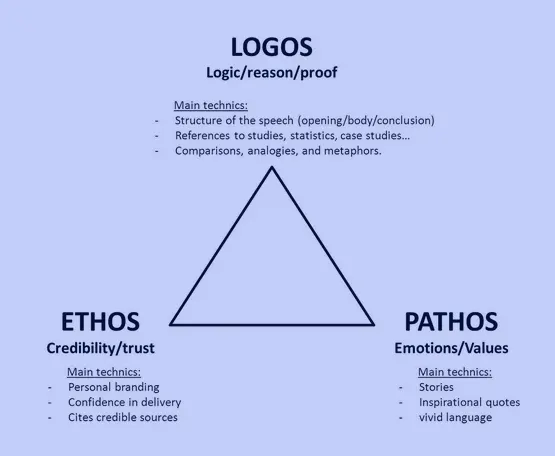
What Is Ethos, Pathos, and Logos Called?
Ethos, Pathos, and Logos are collectively known as rhetorical appeals or modes of persuasion. These terms were coined by Aristotle to describe different strategies for convincing others in discussions or arguments.
35+ Secret Midjourney V6 Prompts for Professional Logo Design in 2026These rhetorical appeals are applied across various disciplines like advertising, law, politics, and education. Understanding “What Is Ethos, Pathos, and Logos Called” helps individuals analyze how messages are crafted to influence audiences effectively.
Benefits of Using Ethos, Pathos, and Logos
Using ethos, pathos, and logos in communication offers several benefits. These strategies improve the effectiveness of messages, making them more engaging and persuasive.
Builds Credibility
Ethos helps establish trust between the speaker and the audience. When credibility is strong, the audience is more likely to accept the message.
Creates Emotional Impact
Pathos connects with the audience’s feelings, making the message more memorable and relatable. It can inspire action or change perspectives.
Enhances Logical Clarity
Logos guarantees that arguments are supported by solid evidence and logical reasoning. This makes the message rational and difficult to dispute.
By combining these strategies, communicators can create well-rounded messages that appeal to different aspects of the audience’s understanding.
Ethos Pathos Logos Definition
The definition of ethos, pathos, and logos can be summarized as follows: Ethos appeals to credibility and character; Pathos appeals to emotions; Logos appeals to logic and reasoning. These three methods are integral to persuasive communication techniques developed by Aristotle.
Each appeal plays a distinct role in shaping how audiences perceive a message. Whether used alone or together, they help communicators create impactful arguments that resonate with people’s beliefs and understanding.
How Are Ethos, Pathos, Logos Used in Persuasive Writing?
Ethos, Pathos, and Logos are frequently used in persuasive writing to influence readers’ opinions or actions. They combine credibility, emotion, and logical reasoning to strengthen arguments effectively.
Using Ethos
To incorporate ethos in persuasive writing, authors often cite credentials or reliable sources to establish authority on a topic. As a licensed nutritionist with 10 years of experience, this adds credibility to my advice on healthy eating habits.
Using Pathos
Pathos can be added by sharing personal anecdotes or describing scenarios that evoke feelings like empathy or urgency. A story about overcoming adversity adds emotional weight to an argument about resilience or hope.
Using Logos
Logos relies on presenting well-structured arguments supported by facts or statistics. For instance: “Studies show that 80% of students prefer online learning over traditional methods due to flexibility.” This logical evidence makes the argument compelling.
What Are Ethos Pathos Logos with Examples of Persuasive Writing?
Persuasive writing often involves combining ethos, pathos, and logos for maximum impact. Here’s how they work in various contexts:
- Ethos Example: A speechwriter includes quotes from respected experts to build credibility for their argument about climate change solutions.
- Pathos Example: A nonprofit campaign uses stories from people impacted by poverty to emotionally connect with donors.
- Logos Example: A researcher presents data comparing renewable energy costs versus fossil fuels to justify investing in green technology.
Each example demonstrates how these appeals strengthen persuasive writing by targeting different aspects of the audience’s understanding.
You should definitely take a look at this post; it’s intriguing and may surprise you—especially if you’re not aware of what the very first logo looked like.
Ethos Pathos Logos in Rhetorical Analysis
Analyzing ethos, pathos, and logos helps identify how they function within texts or speeches to persuade audiences effectively. This process involves examining how each appeal contributes to the overall argument or message being conveyed.
For instance:
- Ethos: Does the speaker establish credibility through qualifications or references?
- Pathos: Are emotional triggers used wisely without overwhelming logical reasoning?
- Logos: Is evidence presented logically with a clear structure?
Rhetorical analysis becomes easier when you understand these appeals deeply. Studying famous speeches like Martin Luther King Jr.’s “I Have a Dream” highlights how ethos (credibility), pathos (emotion), and logos (logic) were combined seamlessly for persuasion.
Conclusion
Ethos, Pathos, and Logos are indispensable tools for crafting persuasive messages that resonate with audiences on multiple levels—credibility (ethos), emotions (pathos), and logic (logos). These strategies are widely used in writing, speeches, advertising, and rhetorical analysis.
Understanding “What Is Ethos, Pathos, and Logos” empowers individuals to communicate effectively while analyzing others’ arguments critically. Whether you’re seeking to persuade others or analyzing the rhetoric in your environment, mastering these concepts will significantly boost your confidence in influencing perspectives.