

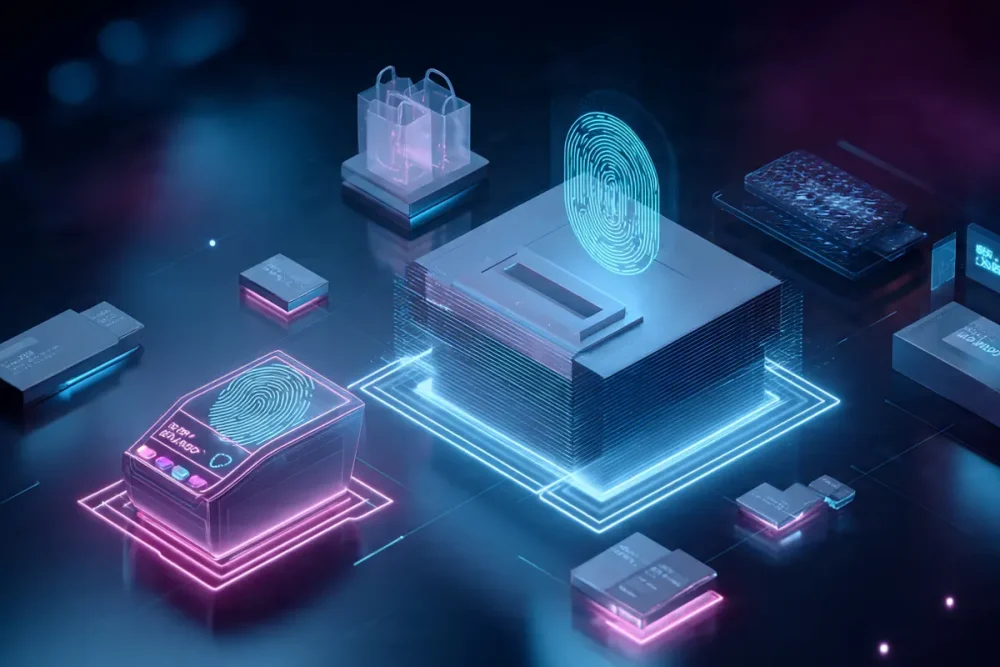
Passwords are dying right before our eyes. Consequently, every modern e-commerce brand must adapt immediately. If you ignore this shift, you risk total obsolescence. For decades, shoppers have struggled with complex character requirements. They frequently forget their credentials during critical checkout moments. Because of this, a massive “conversion gap” now exists. This gap separates industry leaders from the laggards. Furthermore, password-based security creates a massive liability for retailers. Traditional logins represent the absolute weakest link in the digital supply chain. Hackers exploit this weakness daily. However, a revolutionary shift is finally occurring. Passkeys are currently replacing legacy systems at an incredible pace. Therefore, merchants can now offer a truly frictionless experience. This blueprint explores the transition to a passwordless future in 2026. We will examine the technical architecture and the massive financial rewards. Additionally, we will map out the journey toward total cryptographic authentication.
The Business Case: Comparing Time-to-Auth and ROI Metrics
Numbers do not lie in the cutthroat world of digital commerce. Specifically, the time it takes to log in determines your revenue. The difference between a 30-second login and a 2-second login is worth millions. Traditional authentication involves multiple, painful steps. Users must recall their email. Then, they must type a complex password perfectly. Often, they must wait for a slow SMS code. This process usually takes 30 seconds or longer. In contrast, passkeys leverage advanced biometrics. A user simply looks at their phone or touches a sensor. Consequently, the authentication finishes in under 2 seconds. This 15x speed improvement directly correlates with revenue growth.
Calculating the Financial Impact
Let us look at the hard data. Retailers consistently see a 20% lift in successful logins after switching. Because of this, the ROI on passwordless implementation is immediate. You capture customers who previously abandoned their carts. Furthermore, support costs drop significantly. Currently, over 50% of help desk tickets relate to password resets. Each ticket costs your team time and money. By removing passwords, you eliminate these expensive tickets entirely. Additionally, the risk of credential stuffing disappears. Attackers cannot guess a biometric key. This reduces potential fraud losses by significant margins. Therefore, the switch protects both your bottom line and your reputation.
The 30-Second Friction Point: An Analysis of Abandonment
Every second spent in a login form is an opportunity for abandonment. Specifically, mobile users have very short attention spans. Modern shoppers demand instant gratification. If a login fails once, the user often leaves the site immediately. Therefore, friction is the enemy of profit. Transition words help us understand that speed equals trust. Consequently, customers feel safer when technology works seamlessly. They perceive the brand as modern and reliable. Because of this, they are more likely to return for repeat purchases. Brand loyalty relies on these micro-interactions.
The Psychology of the Password Field
The mere sight of a password field causes anxiety. Users immediately wonder if they remember the correct combination. Furthermore, frictionless logins encourage guest users to create accounts. They no longer fear the registration process. This leads to better data collection and personalization. Indeed, the removal of the password field is a huge psychological win. The consumer feels relief rather than stress. Moreover, this positive emotion associates directly with your brand. You become the store that is “easy to use.” Consequently, Customer Lifetime Value (LTV) increases significantly.10 Best Agentic AI Workflow Automation Tools for 2026
Technical Architecture: FIDO2, WebAuthn, and Headless Commerce Stacks
Implementing passkeys requires a solid technical foundation. You cannot build a skyscraper on quicksand. Specifically, the FIDO2 standard provides the necessary framework. WebAuthn serves as the browser-based API for these credentials. Modern headless commerce stacks are perfect for this integration. They allow developers to separate the frontend experience from backend logic. Consequently, you can deploy passkey prompts at any touchpoint. You can prompt users at checkout or on the homepage. You should use a dedicated identity provider that supports FIDO2. Building this from scratch is risky. Moreover, your architecture must handle public key cryptography correctly.
Understanding the Cryptographic Keys
The security model relies on key pairs. The server stores only a public key. This key is useless to a hacker without its pair. The private key remains securely on the user’s device. It never leaves the secure enclave of the phone or laptop. Because of this, a server breach does not expose user credentials. Even if hackers steal your database, they steal nothing of value. Furthermore, this architecture is immune to phishing attacks. Phishers cannot trick a user into giving away a cryptographic key. The browser verifies the domain automatically. Additionally, developers can use libraries to simplify the implementation process. High-performance stores are already moving toward this standard. It is the only way to ensure security at scale in 2026.
Integrating FIDO2 into Modern Stacks
Start by auditing your current identity stack. You must know what you are working with. Many legacy platforms require a middleware layer for WebAuthn. This can add complexity. However, modern providers offer native support. Specifically, you should look for OIDC compliance. This ensures interoperability with other systems. Furthermore, ensure your API can handle the registration of multiple authenticators. Users live on multiple devices. They might want to use their laptop, their iPad, and their phone. Consequently, your database must map multiple public keys to a single user ID. This flexibility is crucial for a smooth user experience. Because of this, careful planning is required during the initial phase. Moreover, you should test for browser compatibility across all devices. Most modern browsers now support the necessary APIs natively.
Handling Legacy Users
You will still have users on old devices. Therefore, your system must detect device capabilities. If a device supports WebAuthn, offer the passkey. If not, fallback gracefully. This conditional logic is vital. It prevents user frustration on older hardware. Additionally, you must communicate the change clearly. Send emails explaining the new, easier login method. Education is part of the integration process.7 Most Secure Programmable CBDC Wallets to Use in 2026
Solving the ‘Lost Device’ Crisis: A Robust Account Recovery Framework
Many executives worry about account recovery in a passwordless world. Specifically, what happens if a customer loses their primary device? This is a valid concern. A robust framework is essential for high-LTV customers. Firstly, you should encourage users to register multiple passkeys. For example, they can register both a phone and a security key. This creates a backup physical key. Furthermore, cloud-synced passkeys solve most of these issues automatically. Apple, Google, and Microsoft now sync passkeys across user accounts. Consequently, a new phone automatically inherits the old passkeys. This synchronization happens instantly via the cloud.
Secondary Recovery Methods
However, you still need a fallback mechanism. Technology sometimes fails. Because of this, many brands use verified email links as a secondary option. This is the “magic link” approach. Alternatively, you can use identity verification services for high-value accounts. This might involve scanning a driver’s license. This ensures that the user is never truly locked out. Additionally, clear communication during the setup process is vital. You must explain how recovery works to build user confidence. Tell them their data is safe. Tell them they will not lose access.
Multi-Device Syncing Strategies
Most users expect their login to work everywhere. They switch devices constantly throughout the day. Therefore, syncing is not just a feature. It is a strict requirement for 2026 e-commerce. Specifically, cross-platform syncing is becoming easier. However, developers must still account for ecosystem silos. For instance, a user might move from iOS to Android. This breaks the iCloud sync chain. Consequently, your recovery flow should be platform-agnostic. Use a combination of magic links and recovery codes. Moreover, store these recovery options in a highly secure manner. This prevents attackers from bypassing the passkey security. Indeed, the recovery process should be as secure as the primary login. Never compromise security for convenience in the recovery flow.
B2B Specifics: Handling Shared Accounts and Granular Permissions
B2B e-commerce has unique requirements for authentication. It is far more complex than B2C. Specifically, teams often share procurement accounts. In the old world, they shared a password on a sticky note. However, sharing passwords is a massive security risk. It compromises the entire organization. Passkeys solve this by allowing individual authentication for a shared profile. Consequently, every team member uses their own biometric key. They access the same account with different keys.Discovering the Diversity of the United States: A Complete List of States in USA
Audit Trails and Compliance
You can then assign granular permissions to each user. One user can buy; another can only view. Furthermore, this provides a clear audit trail of who bought what. You know exactly which employee authorized the purchase. Because of this, compliance becomes much easier for enterprise clients. Moreover, B2B buyers expect the same ease of use as B2C shoppers. They do not want to manage complex enterprise credentials. Therefore, implementing passkeys can be a major competitive advantage. It simplifies the purchasing process for large organizations. Additionally, it prevents unauthorized access if an employee leaves the company. You simply revoke their specific passkey without affecting the whole team. This management capability is a strong selling point.
The UX of Passkeys: Implementing Conditional Mediation
The user experience of passkeys must be invisible. The best technology feels like magic. Specifically, you should implement conditional mediation. This is a specific browser feature. It allows the browser to suggest passkeys in the existing login field. Consequently, users do not have to click a special button. They simply tap the username field. Instantly, the biometrics trigger. This creates a seamless flow. Furthermore, the UI should provide clear feedback during the process. Users need to know what is happening.
Language and Iconography
Avoid technical jargon like ‘asymmetric cryptography’ or ‘FIDO tokens’. These terms confuse average shoppers. Instead, use friendly terms like ‘Face ID’ or ‘Fingerprint’. Because of this, non-technical users will feel more comfortable. Moreover, you should offer a ‘Sign in with Passkey’ button as a clear alternative. This helps educate users who are new to the technology. Therefore, the transition period requires careful design choices. Additionally, ensure your loading states are fast. Users expect an instant response from biometric systems. Lag kills the illusion of speed.
Seamless UI Design Patterns
Your design system should include passkey-specific components. Consistency is key. Specifically, use icons that users already recognize. Most people understand the fingerprint and face icons. Furthermore, keep the login screen clean. Remove unnecessary fields that cause cognitive load. Do not ask for a username if you don’t need it. Consequently, the focus remains on the primary action. Because of this, abandonment rates during login will plummet. Moreover, provide a clear ‘What is this?’ tooltip for first-time users. This builds trust and encourages adoption. Finally, ensure the experience is consistent across mobile and desktop. A unified UI reduces confusion for multi-device shoppers.NVIDIA’s ‘Data-Sovereign’ Chip is the hardware star of Gartner 2026
Future-Proofing: Post-Quantum Security and AI Agent Authentication
The security landscape is changing rapidly. We must look ahead. Specifically, the rise of quantum computing threatens current encryption. Standard encryption methods may soon break. Therefore, passkey providers are already developing post-quantum algorithms. These are resistant to quantum attacks. You must ensure your identity partner has a roadmap for this. Do not partner with stagnant vendors. Furthermore, we are entering the age of agentic commerce. This is the next frontier.
The Rise of AI Shoppers
AI agents will soon browse and buy products for humans. They will act as digital concierges. These agents will need a way to authenticate securely. They cannot type passwords. Consequently, cryptographic proofs will be the standard for AI-to-machine interactions. Passkeys provide the perfect foundation for this. Because of this, your store will be ready for the AI shopping revolution. Moreover, AI agents can verify the store’s identity as well. This creates a two-way street of trust. Indeed, the future of commerce is automated and cryptographically secured. Prepare for this shift now.
Conclusion: A 3-Phase Roadmap to a Passwordless Future
Transitioning to a passwordless store is a journey. It does not happen overnight. Firstly, start with the Coexistence Phase. Offer passkeys as an optional login method alongside passwords. Consequently, you can gather data and refine the UX. Use this time to fix bugs. Secondly, move to the Migration Phase. Prompt users to upgrade to passkeys after they log in with a password. Catch them when they are active. Furthermore, highlight the security and speed benefits during this phase. Because of this, adoption rates will increase naturally. Finally, reach the Sunset Phase. Make passkeys the primary login method for all users. Ideally, you should retire passwords entirely for new accounts. Moreover, continue to monitor performance and user feedback. This 3-phase approach ensures a smooth transition for both customers and staff. Therefore, you can achieve the $0 friction checkout safely. Additionally, your brand will stand out as a leader in security and innovation. The time to start this journey is now. Start building your 2026 passwordless blueprint today.
The Dangerous Truth About the Letter ‘S’: Why It’s the 2026 Typography Blueprint