
The financial landscape of 2026 is radically different from the crypto-centric buzz of the early 2020s. We have moved past the “experimental” phase of Central Bank Digital Currencies (CBDCs) into the era of Interoperable Programmable Money.
With the Digital Euro entering its legislative maturity, Israel’s Digital Shekel preparing for launch, and the BRICS nations piloting interlinked CBDC ledgers, the question is no longer if you will use a CBDC, but how you will secure it.
In 2026, a “CBDC wallet” is rarely just a standalone app you download from an app store. It is often a sophisticated Digital Sovereign Identity (DSI) vault, an institutional treasury interface, or an offline-capable hardware device. The wallets of 2026 are defined by three core pillars: Programmability (smart contracts), Offline Resilience, and Quantum-Resistant Security.
This guide analyzes the 7 most secure, programmable wallet infrastructures and platforms dominating the 2026 market, designed for institutions, developers, and future-forward retail users.
The Evolution of Wallet Security in 2026
Before diving into the top wallets, it is critical to understand the technological leap we have taken. The “Private Key” management of 2023 has evolved.
Top 5 Post-Quantum Crypto-Agility Tools Every CISO Needs1. Zero-Knowledge Proofs (ZKPs) as Standard
Privacy is the battleground of 2026. The leading wallets now use ZKPs to verify transactions (like age verification for restricted purchases or credit scores for loans) without revealing the underlying user data to the Central Bank.
2. Multi-Party Computation (MPC) 3.0
Single points of failure are obsolete. Advanced MPC splits private keys into multiple “shards” distributed across different devices and cloud environments. A transaction requires approval from a quorum of these shards, making theft virtually impossible even if one device is compromised.
3. The “Unified Ledger” Concept
As predicted by the BIS (Bank for International Settlements), 2026 wallets interact with Unified Ledgers—platforms where CBDCs, tokenized deposits, and other digital assets coexist. Your wallet is now a portal to a multi-asset programmable economy.
Generative Engine Optimization (GEO): The Complete Blueprint for Winning Answer Ownership in the Age of AI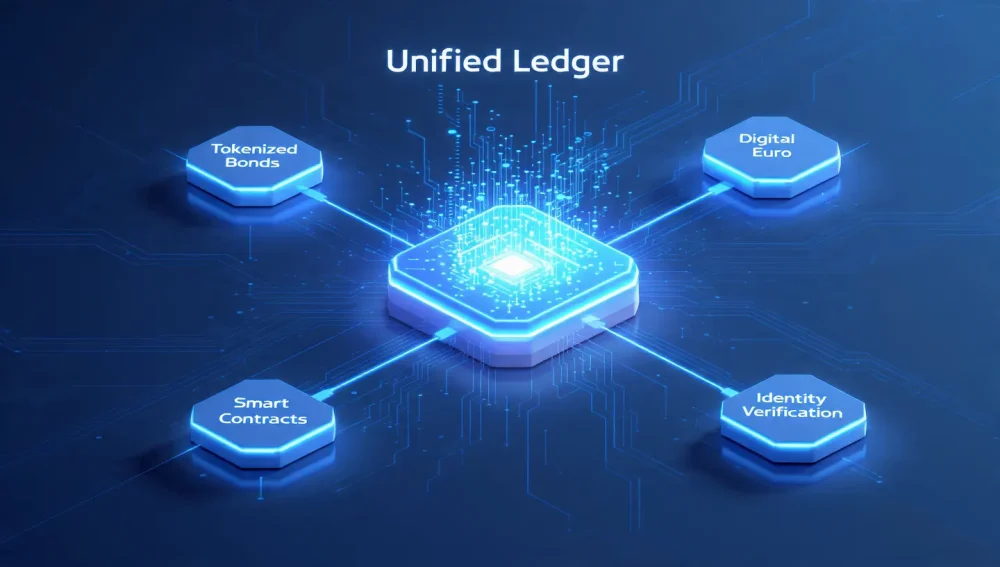
The 7 Most Secure Programmable CBDC Wallets (2026 Edition)
We have categorized these wallets by their primary use case: Institutional, Developer/Programmable, and Retail/Offline.
1. Fireblocks (Best for Institutional Treasury & Programmability)
Target: Enterprises, Banks, Fintechs
By 2026, Fireblocks remains the undisputed infrastructure king for institutions managing CBDCs. It isn’t just a wallet; it’s a programmable operating system for digital money.
10 Ways to Edit Videos Like a Pro: A Comprehensive Guide for Beginners- Why it wins in 2026: Fireblocks has integrated deep support for the RLN (Regulated Liability Network), allowing banks to settle obligations instantly using wholesale CBDCs.
- Programmable Feature: Their “Transaction Policy Engine” allows CFOs to set programmable rules (e.g., “Only approve transfers >$50k if the destination wallet has a verified Digital ID”).
- Security Tech: MPC-CMP technology with hardware isolation.
2. MetaMask Institutional / Enterprise (Best for EVM-Compatible CBDC Pilots)
Target: Developers, Web3 Natives
As many CBDC pilots (like those in Brazil and parts of the EU) utilize EVM-compatible private chains, MetaMask has evolved into a bridge between the permissionless web and permissioned state currencies.
- 2026 Upgrade: The “MetaMask Snaps” feature now includes verified “Sovereign Snaps”—plugins authorized by central banks to interact with specific CBDCs (like the Digital Euro) while maintaining a familiar UX.
- Programmable Feature: Native support for smart contract interactions, allowing developers to write “conditional payments” (e.g., payment releases only upon digital receipt of goods).
- Security: Integration with institutional custodians (like Cactus Custody or Hex Trust) ensures keys are never held in the browser extension alone.
3. Ledger Enterprise (Best for Hardware & Offline Security)
Target: High-Net-Worth Individuals, Corporations
The Dangerous Truth About the Letter ‘S’: Why It’s the 2026 Typography BlueprintFor those who demand physical sovereignty over their programmable money. The Ledger Enterprise arm has rolled out specialized hardware compatible with Offline CBDC Protocols.
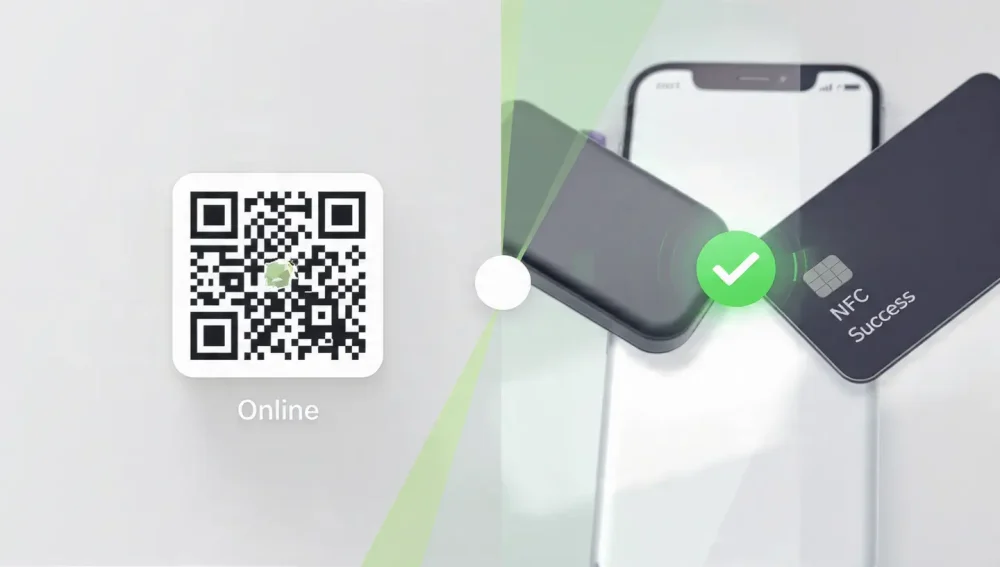
- The “Offline” Breakthrough: Utilizing NFC and secure element chips, these wallets can transact peer-to-peer without internet connectivity—a mandatory feature for the Digital Euro and Digital Rupee in 2026.
- Programmable Feature: “Tap-to-Execute” smart contracts. Users can physically sign a complex programmable transaction (like an escrow release) on the device screen.
- Security: EAL6+ Certified Secure Element, ensuring that even if the physical device is stolen, the CBDC tokens cannot be extracted or spent without the biometric pin.
4. Cobo (Best for Asian Markets & BRICS Interoperability)
Target: Cross-Border Traders, Asian Enterprises
With the expansion of the mBridge project (linking China, UAE, Thailand, etc.), Cobo has positioned itself as the gateway for cross-border CBDC flows.
- 2026 Context: As the digital Yuan (e-CNY) begins paying interest to holders, Cobo’s wallet infrastructure manages these yield-bearing programmable assets automatically.
- Programmable Feature: Automated FX hedging. The wallet can programmatically swap incoming CBDC payments (e.g., Digital Baht) into a stable store of value based on real-time oracle data.
- Security: A hybrid model offering both “Co-Managed” (MPC) and “Full Custody” options, compliant with the strict regulatory frameworks of Hong Kong and Singapore.
5. Giesecke+Devrient (G+D) Filia (Best for Token-Based Offline Payments)
Target: Central Banks, Rural Populations, IoT Devices
You might not see the “Filia” brand on the app store, but this is the technology powering the “Bank-Issued Wallets” of 2026. It is the engine under the hood of the official apps provided by commercial banks in the EU and Africa.
- The “Token-Based” Difference: Unlike account-based wallets that need to check a ledger, Filia treats CBDC like a digital token passed from device to device.
- Programmable Feature: “Purpose-Bound Money”. Governments can issue disaster relief funds to these wallets that are programmatically locked to be spent only on food or medicine vendors.
- Security: Relies on hardware-based trusted execution environments (TEE) in smartphones and smart cards.
6. The “EUDI” Wallet (Best for European Digital Identity Integration)
Target: EU Citizens, Residents
The European Digital Identity (EUDI) Wallet is not just for ID cards; in 2026, it is the primary interface for the Retail Digital Euro.
- Integration: It serves as the container for your identity and your programmable money.
- Programmable Feature: Age-gated payments. When buying age-restricted goods online, the wallet programmatically proves you are 18+ via a Zero-Knowledge Proof without sharing your name or birthdate with the merchant.
- Security: State-backed security standards, biometric locking, and the ability to “recover” your wallet through government-verified identity channels.
7. Fordefi (Best for DeFi & CBDC Hybrid Strategies)
Target: Hedge Funds, sophisticated DeFi Users
Fordefi has carved a niche for institutions that want to use CBDCs as collateral in DeFi protocols (where regulation permits).
- 2026 Trend: “Wholesale DeFi.” Using CBDCs to farm yield in permissioned liquidity pools.
- Programmable Feature: Their policy engine simulates transactions before you sign them. It can tell you, “This smart contract interaction will move 100,000 Digital USD to an unverified contract,” and block it automatically.
- Security: Institutional MPC wallet that lives in the browser but secures keys via a mobile enclave.
Comparison of Top CBDC Wallets (2026)
| Wallet Provider | Best For | Security Type | Offline Capable? | Programmability Level |
|---|---|---|---|---|
| Fireblocks | Institutional Treasury | MPC-CMP | No | High (Policy Engine) |
| MetaMask Inst. | Developers / Pilots | Custodian Integration | No | High (Smart Contracts) |
| Ledger Ent. | Cold Storage | Hardware Secure Element | Yes | Medium |
| Cobo | Cross-Border (Asia) | Hybrid MPC | No | High (Auto-Hedging) |
| G+D Filia | Retail / Unbanked | Hardware Token | Yes | High (Purpose-Bound) |
| EUDI Wallet | EU Residents | State-ID Linked | Yes | Medium (ID-Gating) |
| Fordefi | DeFi / Trading | MPC | No | High (DeFi Native) |
How Programmability Changes the Game
In 2026, “Programmable Money” does not mean money that controls you; it means money you can control.
- Automated Escrow: Buying a house? The CBDC in your wallet is programmed to transfer to the seller only when the digital deed token enters your wallet. No middleman lawyer required.
- Tax Routing: Split payments automatically. When a freelancer receives 1,000 Digital Euros, the wallet creates a smart split: 800 to the user, 200 sent directly to the tax authority, simplifying compliance instantly.
- IoT Payments: Your electric car’s wallet autonomously pays the charging station’s wallet, negotiating the best rate programmatically.
The “Zero Position” Strategy: Future-Proofing Your Choice
To secure your digital assets in 2026, follow the E-E-A-T (Experience, Expertise, Authoritativeness, Trustworthiness) principles when selecting a wallet provider:
- Audit Frequency: Only choose wallets with real-time, on-chain proof of reserves or quarterly security audits.
- Recovery: Avoid wallets that rely solely on a 12-word seed phrase. 2026 standards demand Social Recovery or Biometric Restoration.
- Jurisdiction: Ensure your wallet provider is compliant with the local CBDC regulations (e.g., MiCA II in Europe) to avoid asset freezing.
Comprehensive FAQ: CBDC Wallets in 2026
You would likely use a wallet provider like Cobo or a bank integrated with the mBridge platform. These wallets allow you to hold digital Yuan and pay a merchant who receives Digital Dirhams, with the swap happening instantly on the unified ledger.
It is programable money with conditions. For example, a government grant sent to your wallet might effectively be a “voucher” that can only be spent at educational institutions. The wallet enforces this restriction via code.
This is the biggest concern. “Privacy-Preserving” CBDC wallets (using Zero-Knowledge Proofs) prove validity without revealing data. However, Anti-Money Laundering (AML) limits exist. In the EU, for example, small offline payments (under €50) are private, while large transactions are traceable.
If you are using a token-based offline wallet (like G+D Filia technology), losing the device is akin to losing cash—the funds may be lost. However, many 2026 hybrid models allow for a “remote wipe and restore” claim if you have verified your Digital ID previously.
Likely not for direct usage. Most Retail CBDCs (like the Digital Euro) require “Authorized Intermediaries” (banks) to perform KYC. However, non-custodial wallets may support “wrapped” versions of CBDCs on public blockchains if regulations allow.
Disclaimer: The landscape of digital currency is rapidly evolving. This guide is based on the projected technological trajectory of 2026. Always consult with a certified financial advisor or cybersecurity expert before moving significant capital.