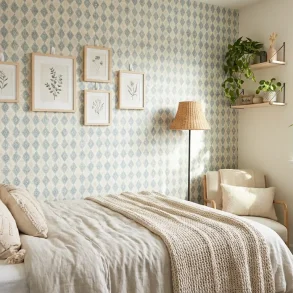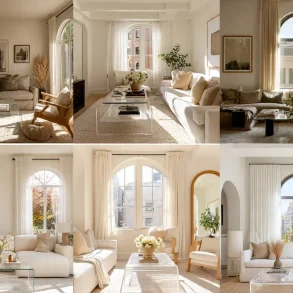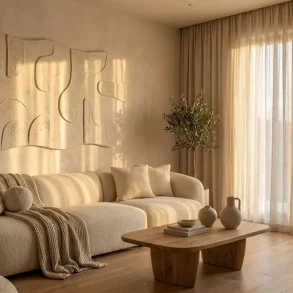

You walk into someone’s living room and within about four seconds, you’ve already formed an opinion about them. That’s not judgment — it’s just how humans work. We read spaces the same way we read faces. And here’s the thing most people don’t realize: your own home is doing the exact same thing to everyone who walks through your door.
So what is your decor style, actually? Not the Pinterest board you saved three years ago and never touched again. Your real style — the one that shows up in the choices you keep making without thinking about it.
Let’s figure it out.
The Quiz You Didn’t Know You Needed
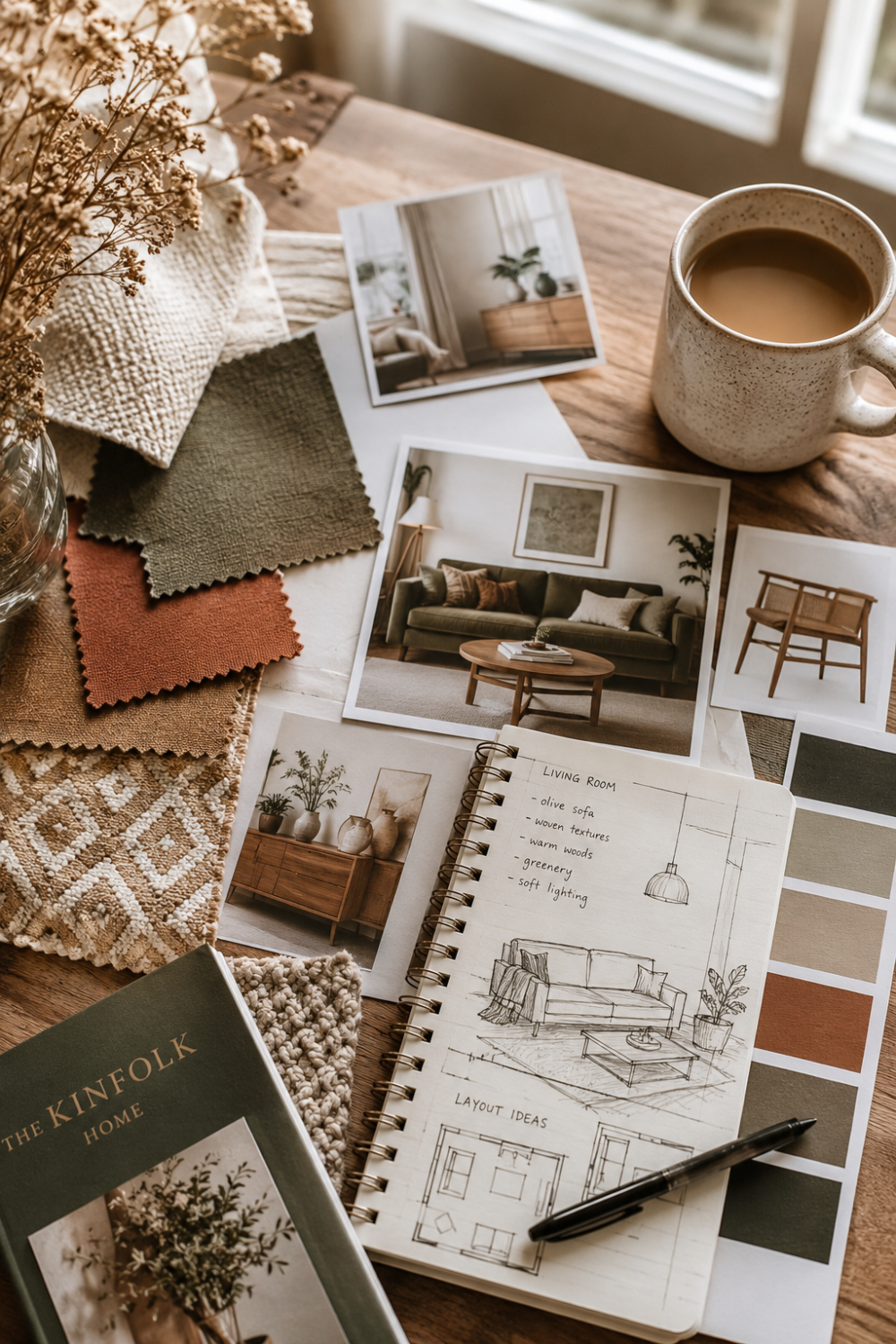
Forget the 12-question personality quizzes that end with “you’re 60% Boho, 40% Industrial.” Real decor style reveals itself in smaller, dumber ways. Like what you do when you walk past a garage sale. Or how you feel about visible cords. Here’s a rough map of the major styles, and honestly, most people are a blend of two.
Minimalist
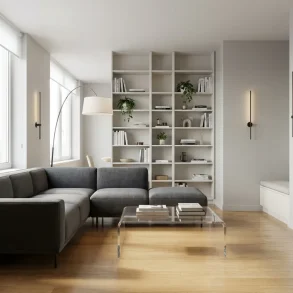
If your instinct is to throw something away the second it stops being useful, you’re probably minimalist-leaning. This isn’t about owning nothing — it’s about owning on purpose. Every object earns its spot.
Photos of Beautiful Tomahawk Lake House by David Heide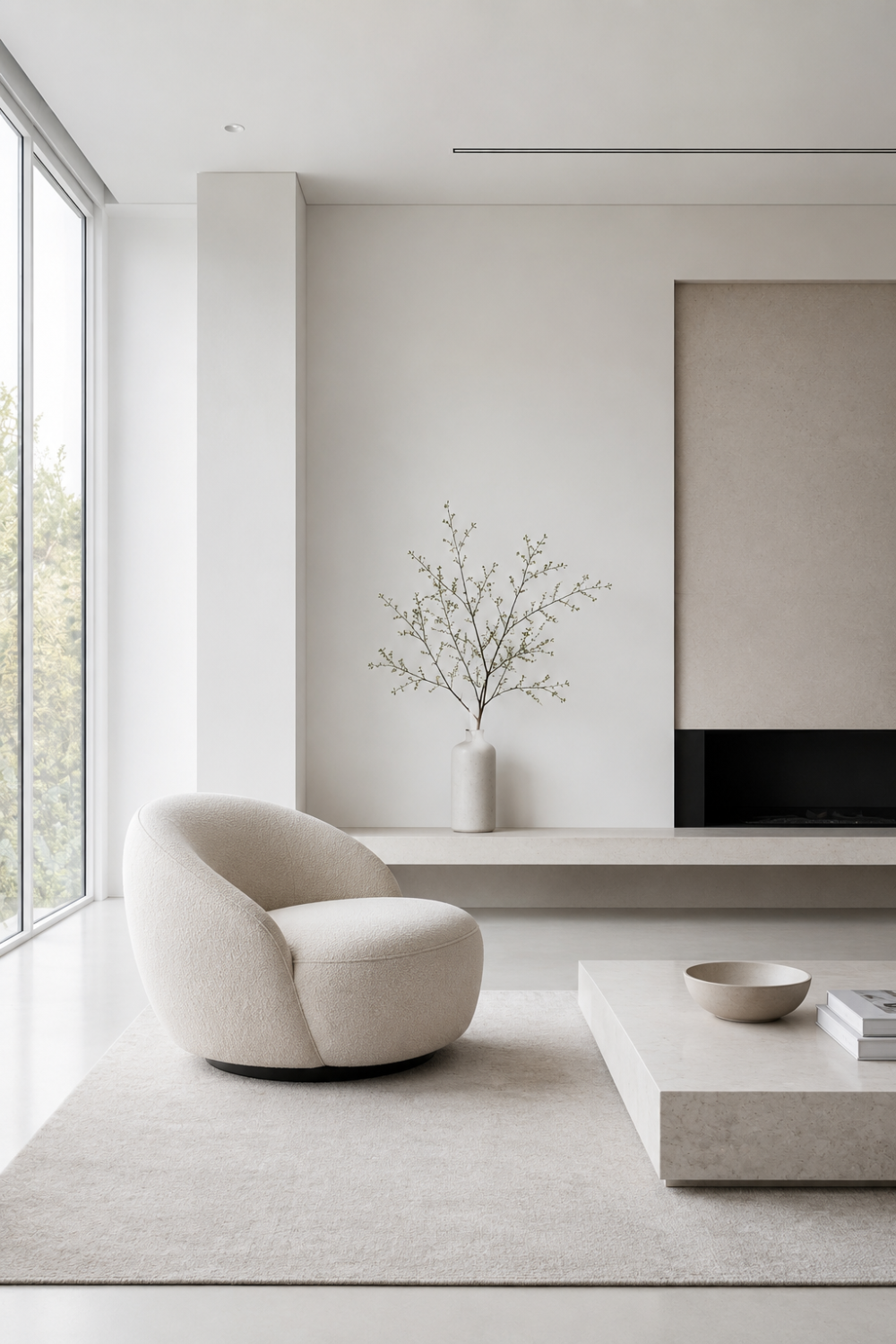
Minimalist homes lean heavily on neutral palettes: whites, greys, the occasional black accent. Furniture tends to have clean lines with almost no ornamentation. Clutter is the enemy here, which, surprisingly, isn’t the default outcome for most people who say they want a minimalist home. It takes real discipline to keep surfaces empty.
Telltale sign: you own fewer than five decorative objects per room, and you can name what each one is for.
Maximalist
The opposite instinct entirely. If you see a blank wall and feel a little bit of dread, welcome to maximalism. More color, more pattern, more texture — layered until the room feels alive rather than staged.
35+ Living Room Wall Decor Ideas Above Couch: 2026 Inspiration & Trends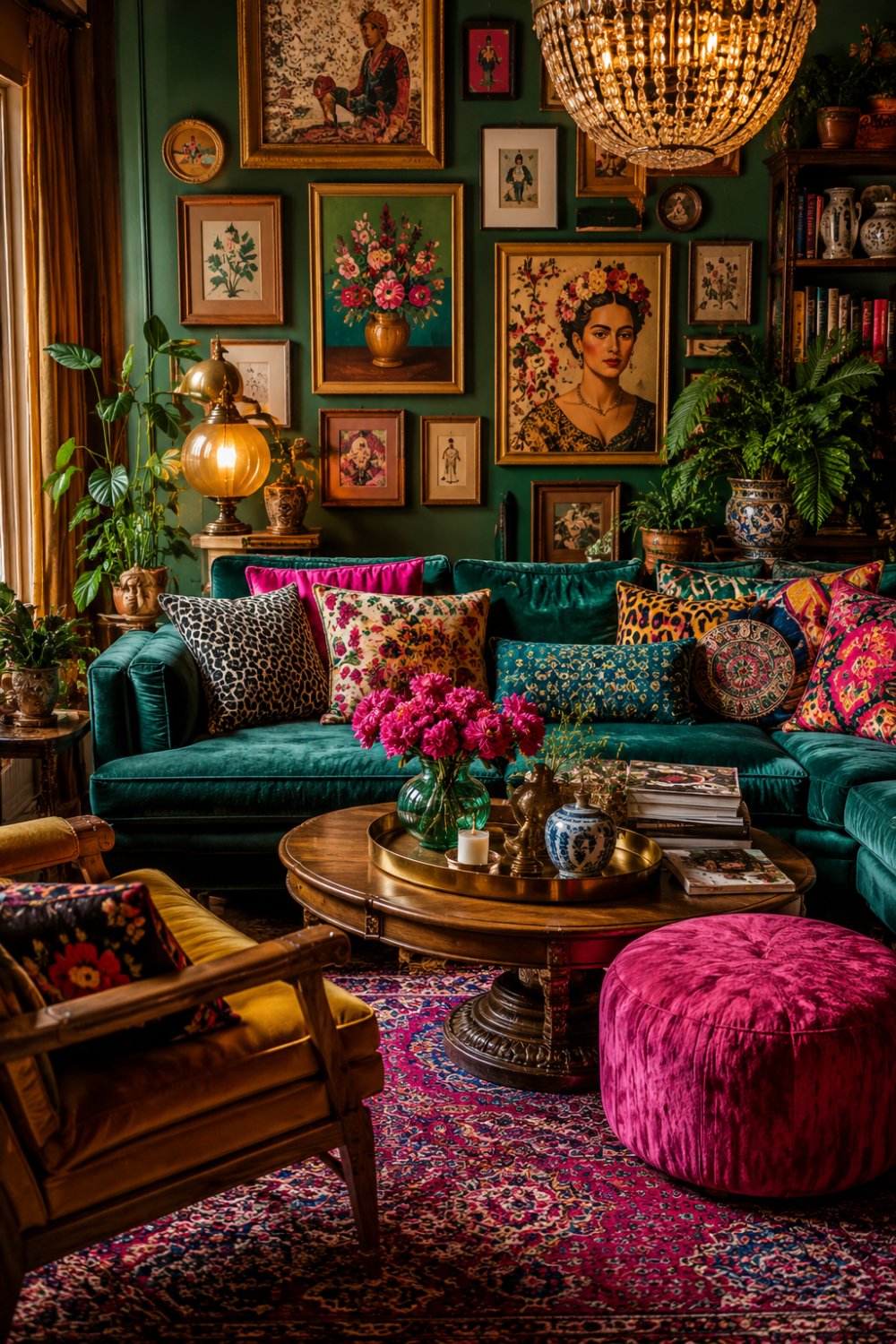
Maximalist spaces often mix eras and origins freely. A vintage rug next to a modern lamp next to your grandmother’s china cabinet. It shouldn’t work on paper. It works anyway, because the unifying thread isn’t a color scheme — it’s you.
Scandinavian / Japandi
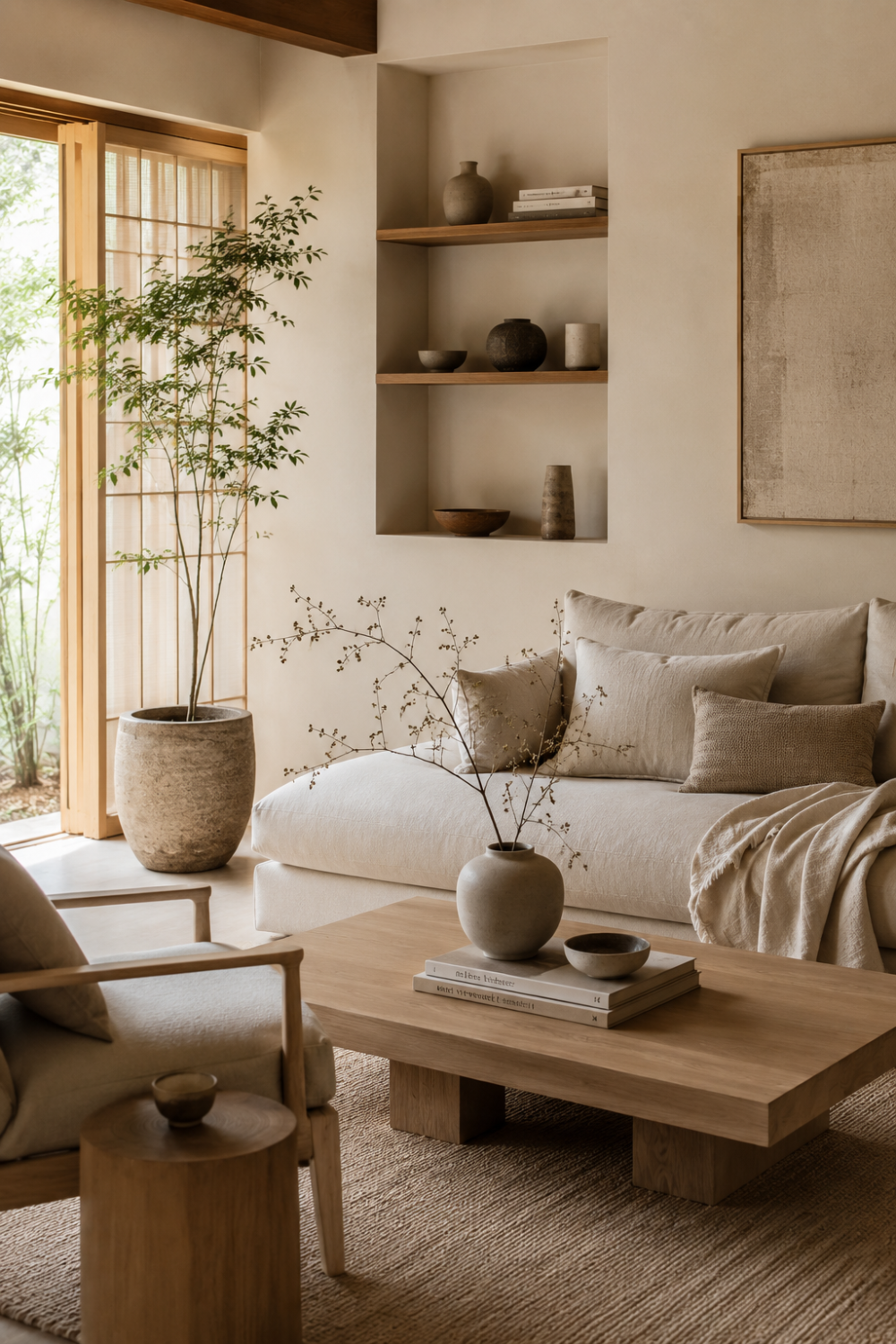
This one’s tricky because it overlaps with minimalism, but it’s warmer. Think light wood, soft textiles, and a general sense of calm without feeling sterile. Japandi specifically blends Japanese wabi-sabi (imperfection is beautiful) with Scandinavian function.
If you gravitate toward natural materials — wood, linen, stone — and you’d rather have three beautiful things than ten decent ones, this is probably you.
Home Additions That Will Add a World of Character to Your HomeOld Money / Quiet Luxury
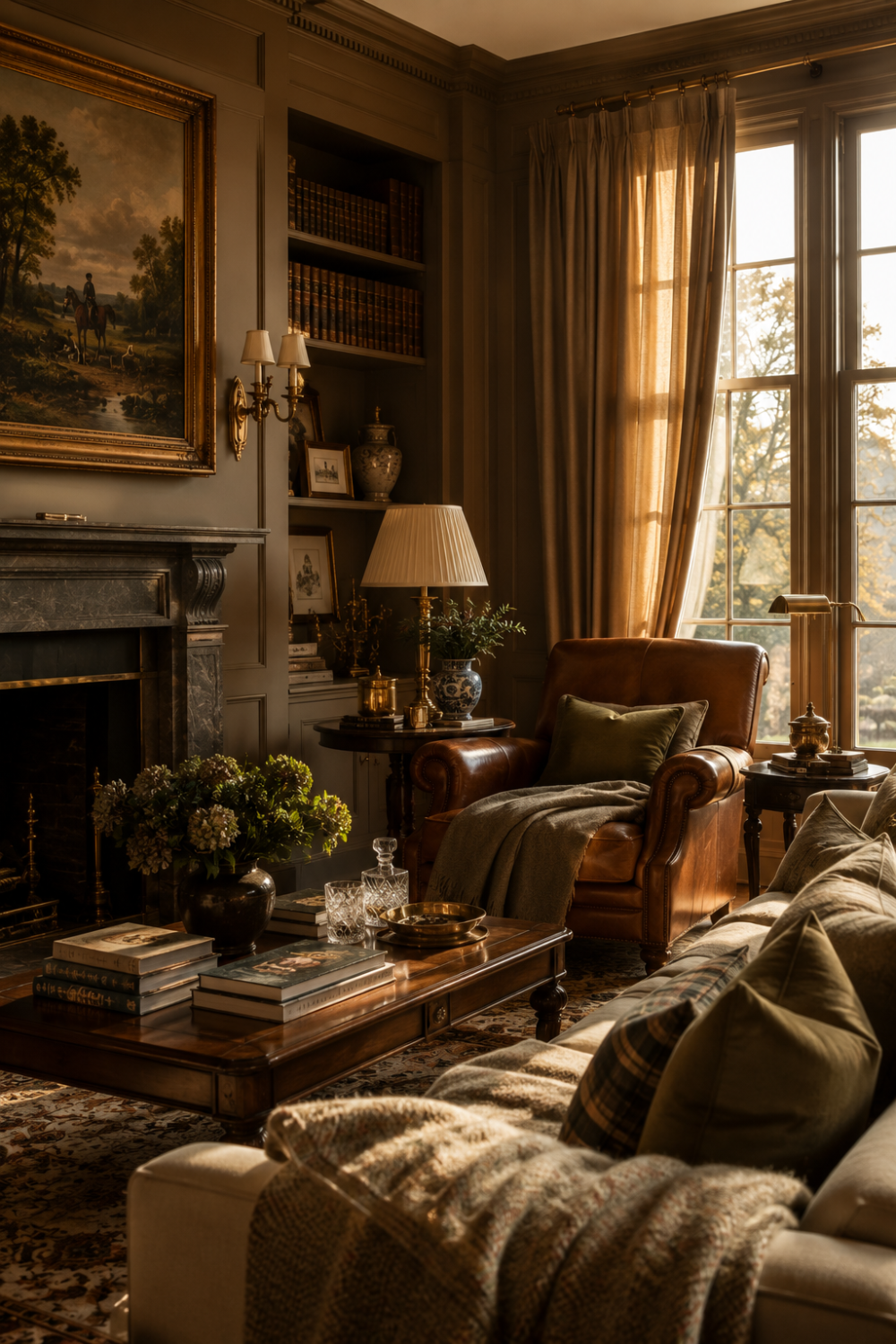
There’s been a real surge of interest in this look lately, and it’s worth understanding why. Old money decor isn’t about spending the most money — it’s about spending it invisibly. No logos. No flash. Just heirloom-quality pieces, muted tones, and furniture that looks like it’s been in the family for generations, whether it has or not.
Brass fixtures, leather-bound books (actually read, ideally), oil paintings, wool throws. The goal is a home that whispers instead of shouts.
Bohemian
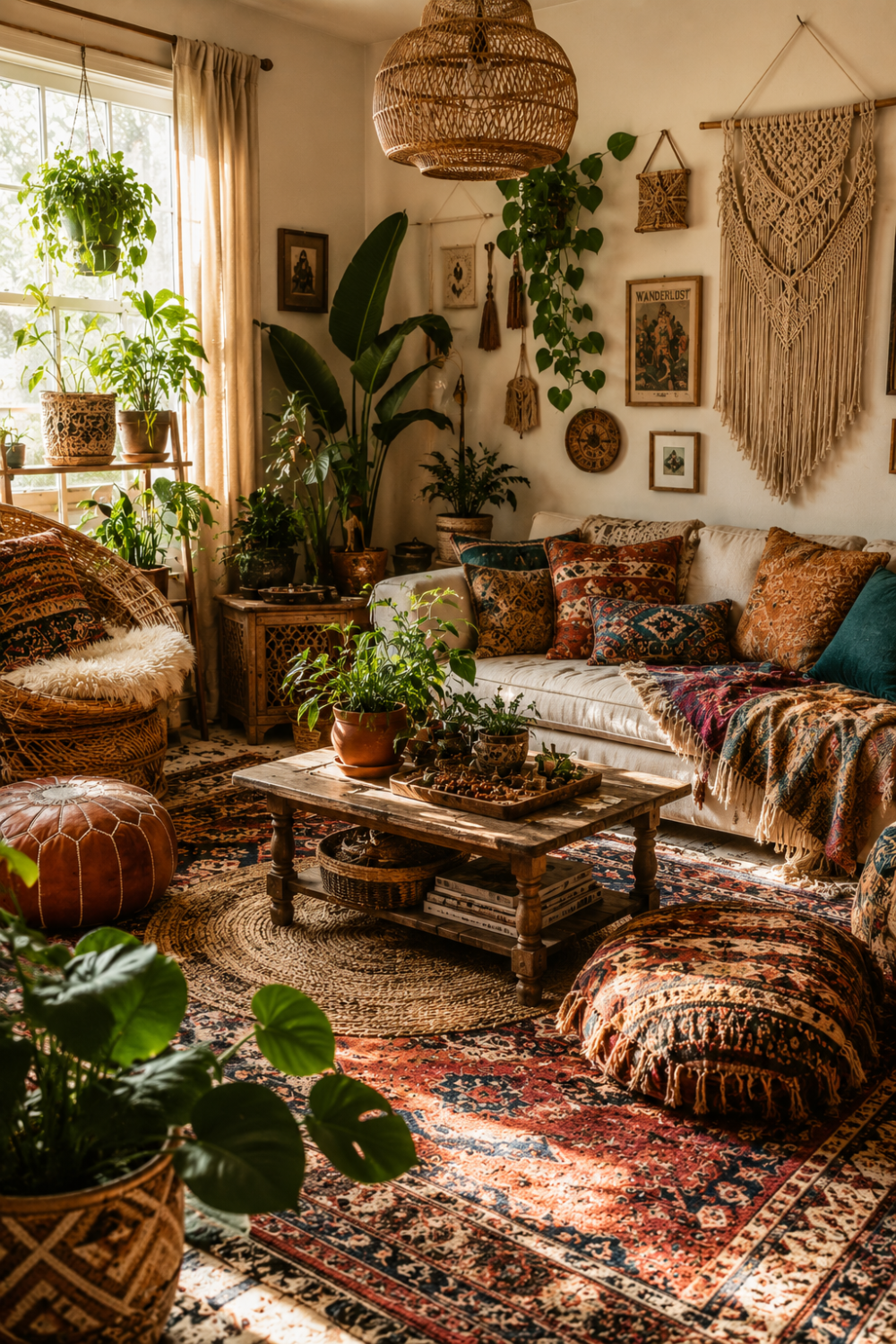
Plants everywhere. Textiles from three different continents. A hammock chair you bought on a trip you can’t stop talking about. Boho decor is warm, eclectic, and unapologetically personal — it tells a story rather than following a rulebook.
Traditional Residence Wanganui Ave Home by Jessop ArchitectsIf your bookshelf doubles as a plant display and you own more than one macrame anything, you already know your answer.
Farmhouse
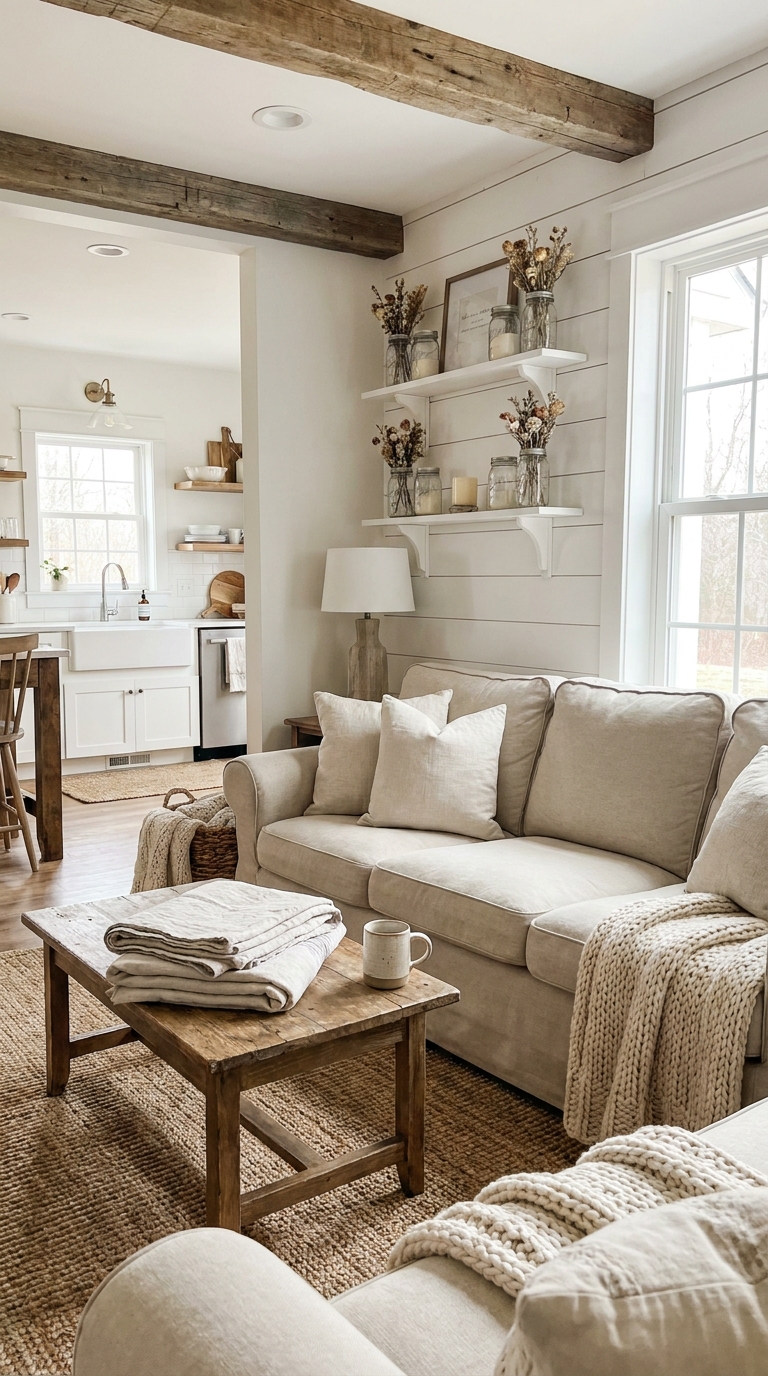
Shiplap walls, apron sinks, mason jars turned into vases — farmhouse style had its huge cultural moment a few years back and it’s still hanging around, just a bit more restrained now. It’s cozy, it’s approachable, and it photographs extremely well, which is part of why it spread so fast on social media in the first place.
Why This Actually Matters
Here’s the honest answer: identifying your style saves you money. A lot of decorating regret comes from buying pieces that don’t belong to any coherent vision — they just seemed nice in the store. You end up with a home that feels like a showroom nobody curated.
Once you know your lane, shopping gets faster. You stop second-guessing every purchase. You walk past ninety percent of what’s in a home goods store because you already know it’s not you.
There’s also a psychological piece here that people underestimate. Your home is basically a mirror you live inside. If the mirror doesn’t match how you actually feel — calm versus chaotic, expressive versus restrained — the mismatch creates a low hum of discomfort you might not even be able to name. You just know something feels “off” in your own living room, and you can’t figure out why.
The Blend Is Normal (And Honestly Better)
Nobody is 100% one style, and if someone tells you they are, they’re probably exaggerating for Instagram. Most real homes are a primary style at maybe 70%, with a secondary style filling in the rest. Minimalist-with-boho-plants is extremely common. So is farmhouse-with-quiet-luxury touches — think shiplap next to a genuinely nice piece of art.
The mistake isn’t mixing styles. The mistake is mixing them randomly, without a throughline. A good rule: pick one dominant palette, then let your secondary style show up through texture and small objects rather than big furniture pieces.
A Quick Self-Check
Ask yourself these, and answer honestly, not aspirationally:
- When you walk into a store, do you head for the clearance section or the “new arrivals, expensive” section first?
- Do you feel calmer in empty rooms or fuller ones?
- Would you rather inherit your grandmother’s furniture or replace everything with something new?
- Is your closet mostly neutral colors, or mostly bold ones? (This correlates more than people expect.)
- Do you buy decor because you saw it and loved it, or because a room “needed something there”?
If you answered clearance, fuller rooms, replace everything, and bold — you’re probably leaning maximalist or boho. If it’s new arrivals, calm empty rooms, keep the heirlooms, and neutral — you’re likely minimalist or old money in spirit.
Where People Get Stuck
The biggest trap is decorating for an imagined guest instead of yourself. You buy the neutral, safe couch because “everyone will like it,” and then you sit on it every day feeling nothing. Decor that photographs well isn’t the same as decor that feels like home.
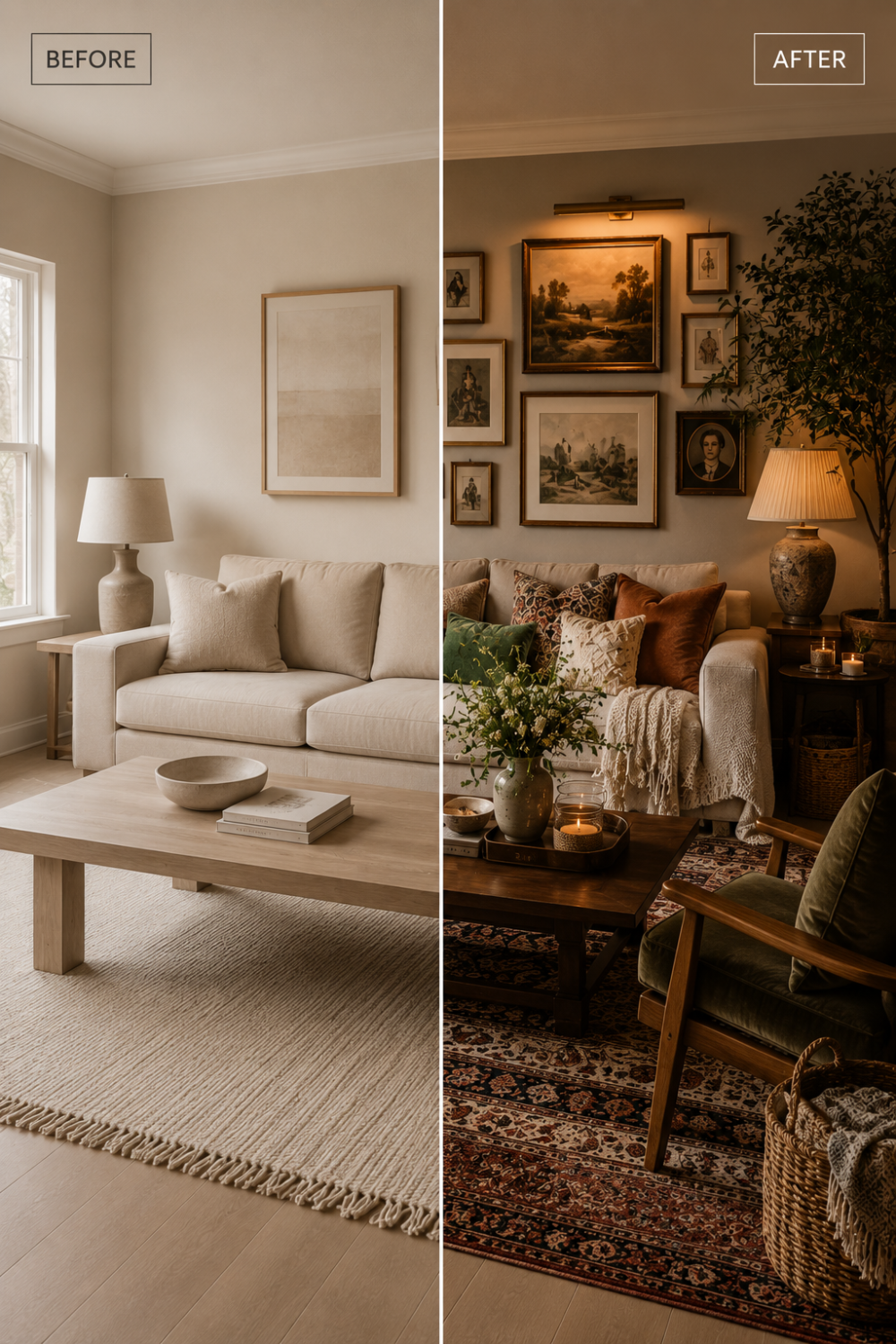
The second trap is chasing trends too literally. Y2K decor is back right now, dopamine decorating is having a moment, quiet luxury is everywhere — and all of that is fine to draw from, but a home built entirely out of trends ages badly. Trends are seasoning, not the whole dish.
Test-Driving a Style Before You Commit
Here’s a mistake almost everyone makes at least once: falling for a style online, then repainting an entire room, buying new furniture, and realizing three months later it doesn’t feel right in real life. Screens lie a little. A moody, dark academia living room looks incredible in a fifteen-second video with perfect lighting. Living in it every single evening, in your actual light, with your actual furniture proportions, is a different experience entirely.
So test small before you test big. Buy one throw pillow in the new palette instead of reupholstering the couch. Swap out cabinet hardware before you gut the kitchen. Live with a single old money-style lamp for a month and see if you reach for it, or if it just sits there looking expensive and unused. Small, reversible decisions tell you more about your real taste than any mood board ever will.
This also protects your budget, which matters more than design blogs like to admit. A full room overhaul in the wrong direction is an expensive lesson. A ten-dollar pillow that misses the mark is not.
How Location and Lifestyle Quietly Shape Your Style
People rarely credit this, but where you live nudges your taste more than you’d think. Someone in a small city apartment gravitates toward minimalist or Japandi styles almost by necessity — there’s simply no room for maximalist clutter. Meanwhile, a family with kids and a dog in a suburban house often ends up somewhere between farmhouse and boho, because those styles forgive a little mess and a lot of daily use.
Climate plays a role too. Warmer regions lean into lighter fabrics, rattan, and airy layouts. Colder climates pull toward layered textiles, deeper colors, and warmer wood tones — partly aesthetics, partly just wanting the house to feel warm when it’s freezing outside.
None of this means your environment dictates your taste completely. But if a style you love online never quite translates into your actual home, it might not be a taste mismatch at all — it might just be a mismatch with your square footage, your climate, or your daily routine. Worth separating those two problems before you assume your instincts are wrong.
So, What Are You?
If you’ve read this far and you’re still not sure, that’s actually fine. Style isn’t something you declare once — it evolves as you do. The version of your taste at twenty-five probably won’t match the version at forty, and that’s not inconsistency, that’s just growth.
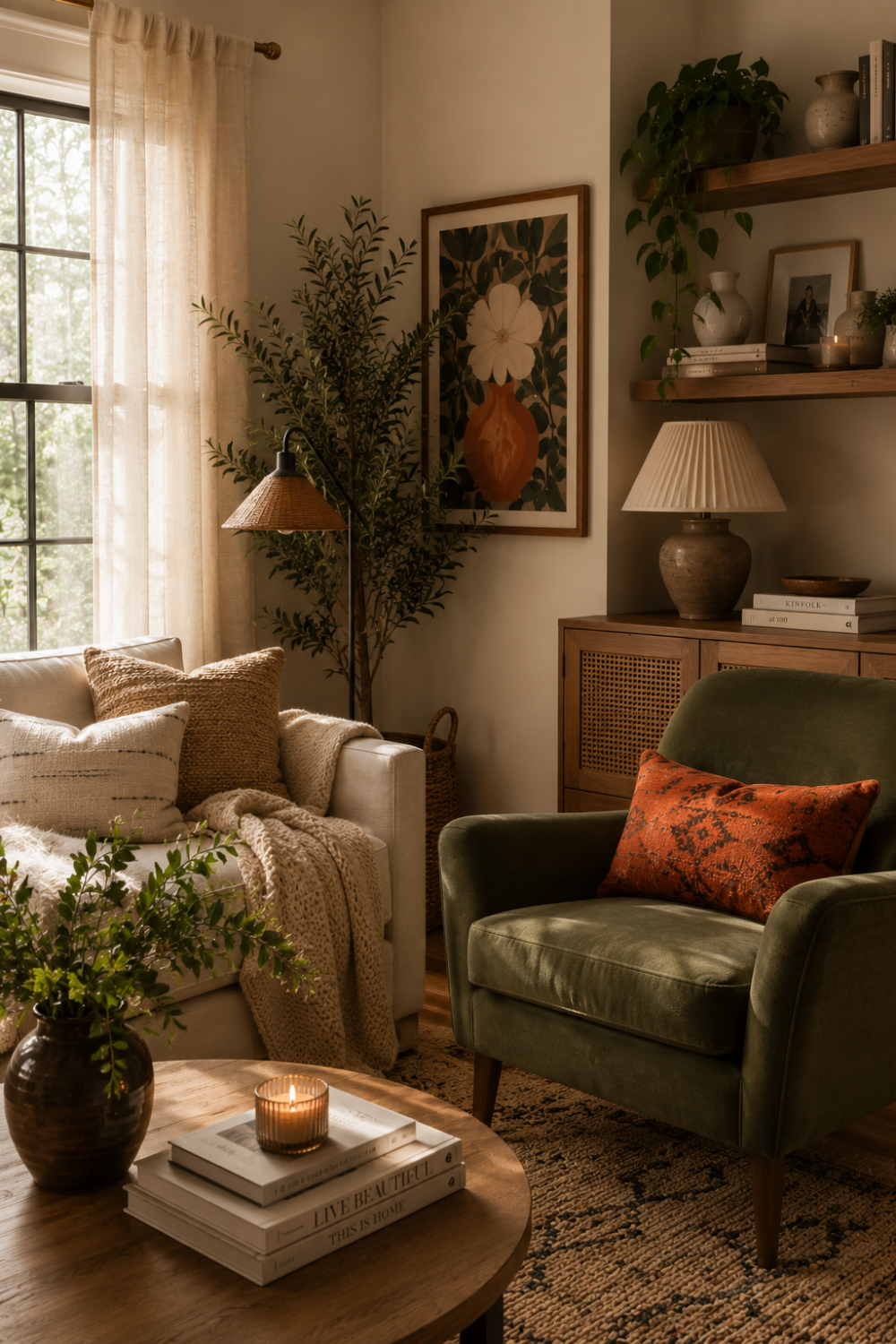
The real test isn’t a quiz result. It’s this: look around your current space right now. Ignore the stuff you’re embarrassed by or meant to change. What’s left — what you actually chose, on purpose, more than once — that’s your style. Everything else was just noise you’re about to clear out.