
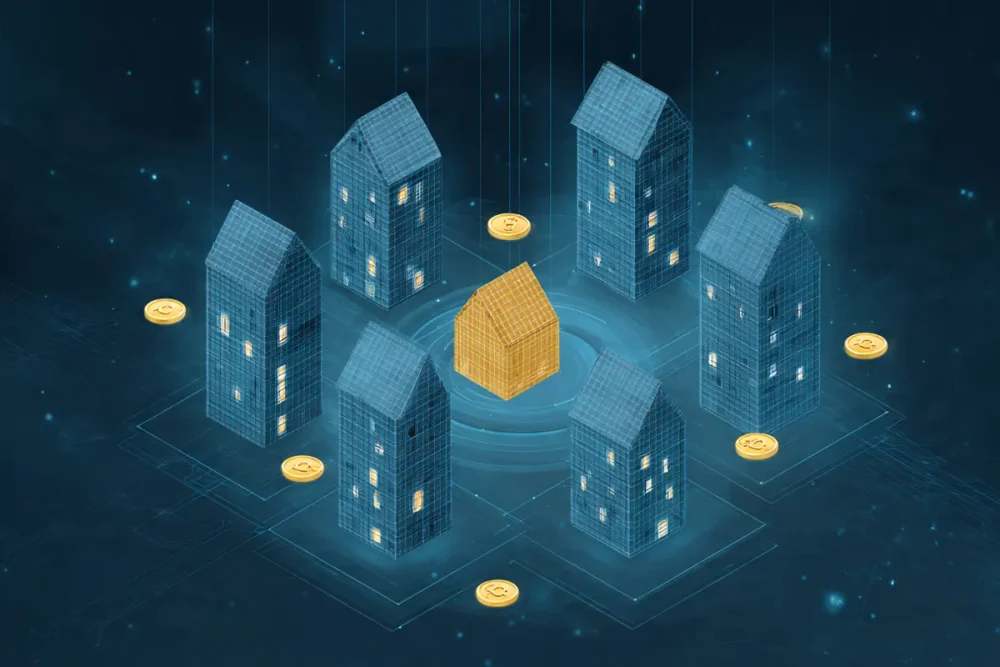
The barrier to entry for property investment has shattered. Fractional Tokenized Real Estate Lending Platforms are the sledgehammer. By combining the stability of brick-and-mortar assets with the liquidity of blockchain technology, these platforms allow you to own a piece of a New York apartment or a Swiss commercial building for as little as $50.
This guide uses the Skyscraper Technique to provide the most comprehensive resource on the web. We will cover the top platforms, analyze the risks, and show you exactly how to generate passive income streams today.
What is Fractional Tokenized Real Estate Lending?
Before diving into the platforms, it is crucial to understand the mechanism.
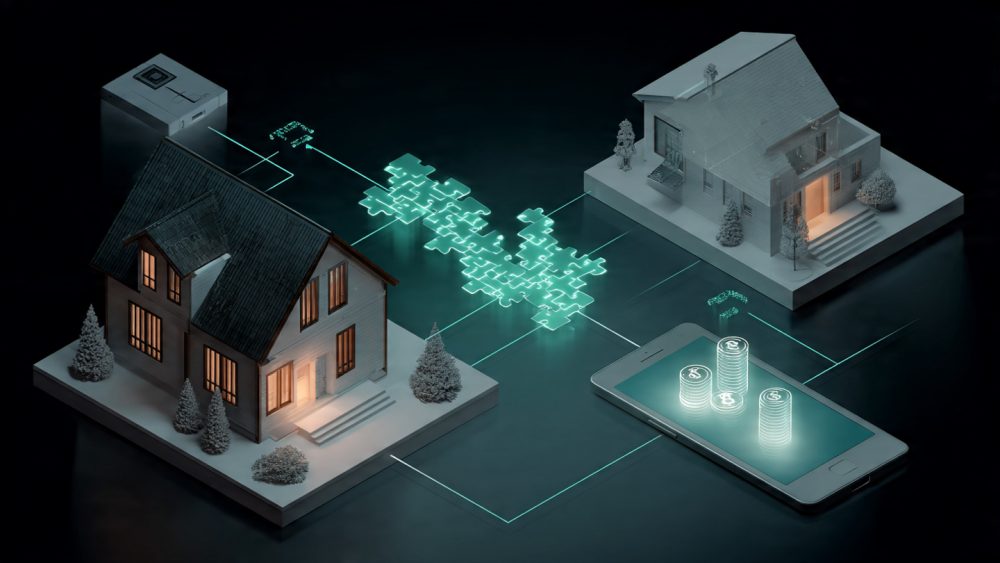
Tokenization converts the value of a physical asset (like a house) into digital tokens on a blockchain. Fractionalization splits that token into thousands of smaller pieces, allowing multiple investors to own shares of a single property.
How It Works (The 4-Step Flow)
- Asset Selection: A platform identifies a high-yield property.
- SPV Creation: A Special Purpose Vehicle (legal entity) is formed to hold the property deed.
- Token Issuance: The SPV issues digital tokens (Security Tokens) representing shares of the LLC.
- Distribution: Investors buy tokens and receive daily/weekly rent payouts directly to their crypto wallets (e.g., USDC, DAI).
Top 7 Fractional Tokenized Real Estate Platforms
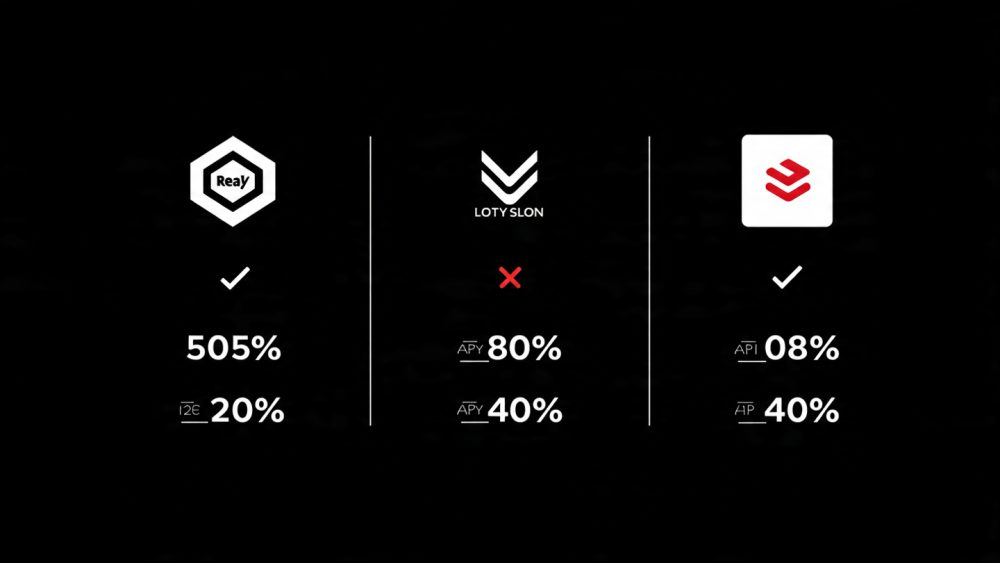
We analyzed over 20 platforms based on Yield, Minimum Investment, Liquidity, and Regulatory Compliance.Looking For The BuyBest Alternative? Check Out Our Top Picks!
1. RealT (Best for Daily Passive Income)
RealT is the pioneer of US residential tokenization. They focus on Section 8 and low-income housing in Detroit, Chicago, and Cleveland, offering high rental yields.
- Min Investment: ~$50 per token.
- Yield: 10-12% APY (paid daily).
- Blockchain: Gnosis Chain / Ethereum.
- Pros: Daily rent payouts, highly transparent, secondary market (Yam) for liquidity.
- Cons: Limited to specific US geographies.
2. Lofty AI (Best for Algorand Users)
Running on the Algorand blockchain, Lofty offers incredibly fast transaction speeds and near-zero gas fees. They focus on A-class rental properties.
- Min Investment: $50.
- Yield: 6-10% APY (plus appreciation).
- Blockchain: Algorand.
- Pros: DAO governance (token holders vote on repairs/rent), instant liquidity pool.
- Cons: Smaller property selection compared to RealT.
3. RedSwan CRE (Best for Commercial Real Estate)
If you want a piece of a $20M luxury hotel or office building, RedSwan is the institutional-grade choice.
- Min Investment: $1,000+.
- Yield: Varies (Target 15-20% IRR).
- Blockchain: Hedera Hashgraph.
- Pros: Access to institutional-grade deals previously reserved for family offices.
- Cons: Higher entry barrier, longer hold periods.
4. Blocksquare (Best for Infrastructure)
Blocksquare isn’t just a marketplace; it provides the white-label infrastructure for other companies to tokenize assets.How to Make Hotspot Faster on iPhone: Tips and Tricks
- Focus: Technology provider (Oceanpoint).
- Token: BST (Utility token).
- Pros: Exposure to the growth of the tokenization industry itself.
5. HoneyBricks (Best for Crypto Natives)
HoneyBricks targets crypto-native investors looking to diversify into US real estate directly from their wallets.
- Min Investment: $100.
- Yield: Target 8-12%.
- Blockchain: Polygon.
- Pros: Compliant with US SEC regulations, tax-efficient structures.
6. Landshare (Best for Binance Smart Chain)
For those deep in the BNB ecosystem, Landshare brings real estate to BSC (Binance Smart Chain).
- Feature: Auto-compounding yield features.
- Pros: Gamified elements (NFTs) that boost yields.
- Cons: Higher volatility associated with BSC projects.
7. Arrived Homes (Best Web2 Hybrid)
Backed by Jeff Bezos, Arrived is less “crypto” and more “fintech.” You buy shares, but it feels like a traditional web app.
- Min Investment: $100.
- Pros: extremely user-friendly, high trust factor.
- Cons: No blockchain secondary market (less liquid).
Comparison Table: At a Glance
| Platform | Min Investment | Blockchain | Payout Frequency | Asset Type |
|---|---|---|---|---|
| RealT | ~$50 | Gnosis/Eth | Daily | Residential (US) |
| Lofty AI | $50 | Algorand | Daily | Residential (US) |
| RedSwan | $1,000 | Hedera | Quarterly | Commercial |
| HoneyBricks | $100 | Polygon | Monthly | Multi-family |
| Arrived | $100 | None (Web2) | Quarterly | Residential/Vacation |
10 Best Vision Pro 3 Spatial Canvas Productivity Tools for Remote Teams
Why Invest? (The “Buyer Intent” Triggers)
Why are investors moving liquidity from DeFi pools to Real Estate tokens?
- Liquidity: Sell your property share in seconds on a secondary market (like RMM or Yam) instead of waiting months for a house sale.
- DeFi Composability: Use your RealT tokens as collateral to borrow stablecoins on lending protocols (like Aave). This is the “Holy Grail” of finance.
- Inflation Hedge: Real estate historically appreciates, protecting your purchasing power better than cash.
The Risks: What You Must Know
Ranking #1 means telling the truth. This is YMYL (Your Money Your Life) content.
- Regulatory Risk: The SEC rules on security tokens are evolving. Ensure the platform allows investors from your country (KYC is mandatory).
- Smart Contract Risk: If the code has a bug, funds could be lost. Always check for Audited Smart Contracts.
- Platform Centralization: If the platform goes bankrupt, what happens to the LLC? (Top platforms have “fail-safe” legal structures where the DAO takes over).
People Also Ask (PAA)
Is tokenized real estate legal? Yes, compliant platforms use Regulation D (US) or Regulation S (International) exemptions to legally sell securities. You must complete KYC/AML verification.
How is tokenized real estate taxed? Generally, it is taxed as standard real estate income. You receive a tax form (like a K-1 in the US) at year-end. Consult a tax professional.10+ Musically Alternative That Will Make You Love Music Again
Can I live in the house I invest in? No. These are strictly investment properties managed by professional property management companies. You are a passive investor.
What happens if the tenant stops paying rent? Just like traditional real estate, your dividends decrease. However, most platforms maintain a “maintenance reserve” fund to smooth out vacancies.
How to Start Investing Today (Checklist)
- Choose a Platform: (We recommend RealT for beginners due to daily payouts).
- Prepare Documents: Have your Passport/ID and Proof of Address ready for KYC.
- Set Up a Wallet: You will need a Web3 wallet like MetaMask or Rabby.
- Fund Wallet: Buy USDC or DAI on an exchange and transfer it to your wallet.
- Buy First Token: Browse the marketplace and purchase a fraction of a property.
- Enable Auto-Compounding: Reinvest your daily dividends to snowball your wealth.

Final Verdict
Fractional Tokenized Real Estate Lending Platforms are not just a trend; they are the future of asset management. They democratize wealth, allowing anyone to build a global property portfolio.
Ready to start? Visit the platforms listed above and claim your slice of the real estate market today.How to Change Amazon Country on iPhone
Disclaimer: This article is for educational purposes only and does not constitute financial advice. Always do your own research.