

Understanding average salaries in the United States is crucial for various stakeholders, including jobseekers, employees negotiating raises, and employers striving to remain competitive. This knowledge helps individuals make informed decisions about their careers and financial futures.
What is the Median Income in the United States?
Here’s the content with the keyword added naturally:
“The median household income serves as a key economic indicator, reflecting the overall financial well-being of the country. According to the U.S. Census Bureau, the median household income in 2024 is $70,784. This figure represents a slight increase from previous years, likely influenced by economic recovery post-pandemic.
The Average Salary in the United States varies significantly by state. For instance, Massachusetts boasts a median household income of $81,215, while Mississippi lags behind at $45,081. Such disparities emphasize the importance of examining regional averages rather than relying solely on national figures.”
How Does the Average Salary in the US Compare by State?
Average salaries vary widely across states, impacting jobseekers and employers alike. In 2024, states with the highest average annual wages include:
Average Salary of Software Engineer in US: 2024 Insights- Washington: $91,220
- Massachusetts: $88,560
- California: $85,240
- New York: $84,110
- New Jersey: $83,620
Conversely, states with the lowest average annual wages are:
- Mississippi: $47,180
- Arkansas: $49,570
- Louisiana: $51,940
- New Mexico: $48,598
- West Virginia: $50,170
These differences can be attributed to factors such as local industry presence, cost of living, and economic conditions.
What is the Average Wage for Different Job Sectors in the US?
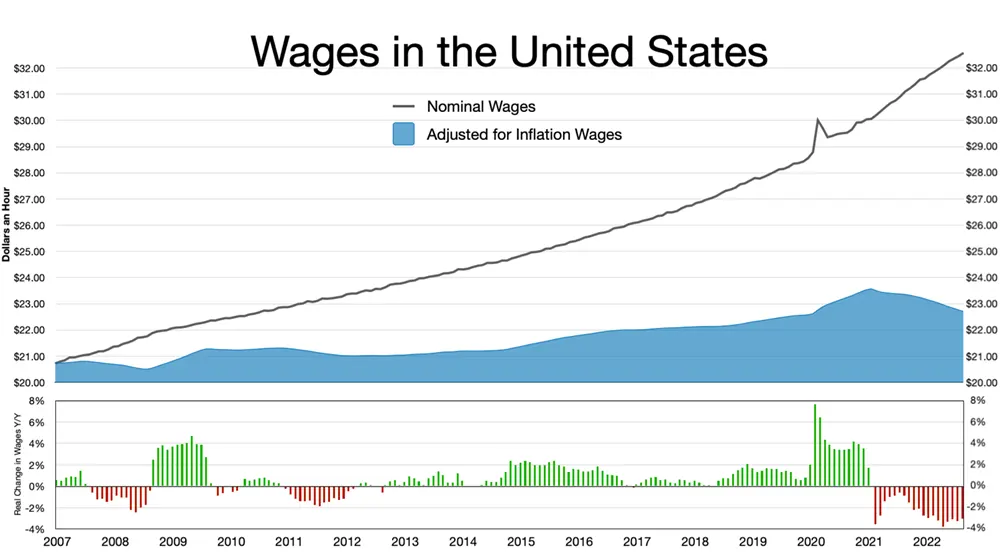
Wages also differ significantly by industry. The highest-paying sectors in 2024 include:
Home Decor Designer Salary in 2024: Complete Guide- Management of Companies and Enterprises: $150,550 average annual wage
- Utilities: $125,030 average annual wage
- Professional, Scientific, and Technical Services: $113,680 average annual wage
- Finance and Insurance: $110,350 average annual wage
- Information: $109,420 average annual wage
In contrast, the lowest-paying sectors are:
- Accommodation and Food Services: $28,380 average annual wage
- Arts, Entertainment, and Recreation: $53,420 average annual wage
- Retail Trade: $35,300 average annual wage
- Administrative Support Services: $39,230 average annual wage
- Healthcare and Social Assistance: $53,600 average annual wage
These variations are influenced by factors such as skill requirements and market demand.
How Does Education Level Affect Average Salaries in the US?
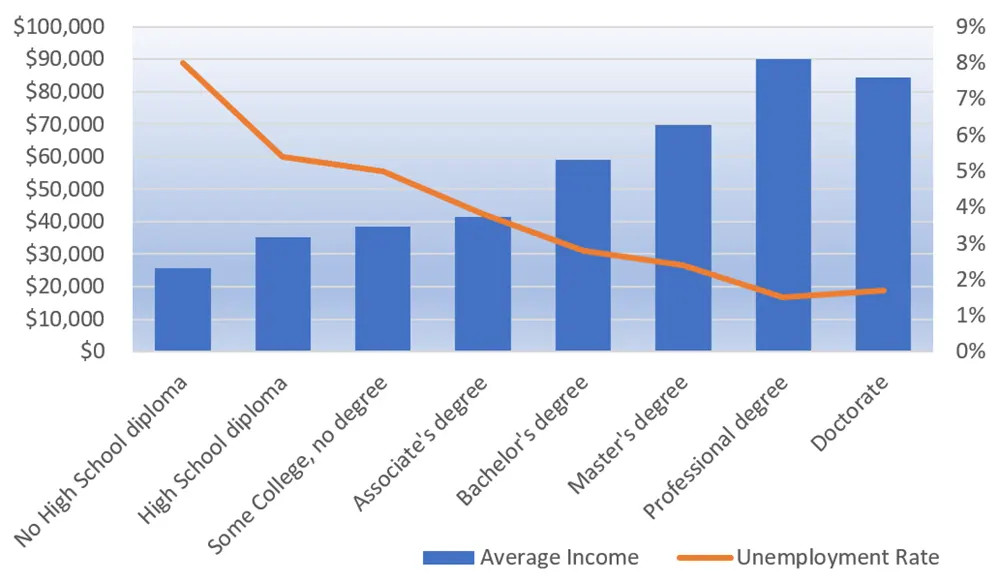
Education level plays a pivotal role in determining average salaries. In 2024, the average annual wages by education level are as follows:
How Much Does a Pharmacy Tech Make in 2026? A Complete Salary Guide- Bachelor’s degree or higher: $73,188
- Some college or associate’s degree: $48,124
- High school diploma (no college): $40,792
- Less than high school diploma: $33,133
These figures illustrate a clear correlation between higher education and increased earning potential. Fields like engineering or computer science often yield higher salaries compared to humanities or social sciences.
What are the Trends in US Salary Growth Over the Past Decade?
Here’s your content with the keyword added naturally:
“Salary growth trends over the past decade reveal important insights for employees and employers. From 2011 to 2021, average hourly earnings for private-sector workers increased approximately 35%, from $23.67 to $32.17. This growth represents an average annual increase of around 3.5%. Understanding the Average Salary in the United States can provide further context to these trends.”
Industries with robust wage increases include:
- Information: 49% growth
- Professional and Business Services: 43% growth
- Finance and Insurance: 39% growth
Conversely, sectors like retail trade (28% growth) and leisure/hospitality (27% growth) have seen slower wage growth.
What is the Gender Pay Gap in the United States?
Despite advancements in gender equality, a gender pay gap persists. In 2024, women earn approximately 83 cents for every dollar earned by men. Contributing factors include occupational segregation and differences in education or career choices.
The gap varies significantly by industry; finance and insurance often show larger disparities. Additionally, the gap widens with career progression, particularly at executive levels.
How Do Average Salaries in the US Differ by Industry?
The salary levels are greatly influenced by the industry. Key industries and their average salaries include:
Technology
Average salaries for software developers often exceed $105,000 annually.
Healthcare
Physicians frequently earn upwards of $220,000 per year.
Finance
Financial analysts can expect six-figure salaries.
Education
Postsecondary educators earn substantially more than K-12 teachers.
Manufacturing
Salaries range widely based on job roles.
Factors such as skill demand and economic conditions drive these industry-specific salary trends.
What is the Impact of Experience on Average Salaries in the US?
Experience level is a critical determinant of salary. According to BLS data from 2024:
- Less than 1 year of experience: $600 weekly
- 1 to 5 years of experience: $820 weekly
- 5 to 10 years of experience: $1,120 weekly
- 10 years or more of experience: $1,250 weekly
These figures indicate that experienced workers may earn nearly double what entry-level workers make. Fields like law and technology place a higher premium on experience.
What are the Average Starting Salaries for New Graduates in the US?
The average starting salary for recent graduates varies significantly by field. In 2024:
- Engineering graduates: $74,173
- Computer Science graduates: $73,733
- Mathematics/Statistics graduates: $71,188
Conversely, graduates in humanities or arts fields often see starting salaries around $42,000 to $52,000.
How Does Cost of Living Affect Average Salaries in Different US Cities?
Cost of living is a crucial factor when analyzing salaries. High-cost cities such as San Francisco and New York City typically offer higher salaries to compensate for elevated living expenses. For example:
- Software engineers earn around $150,000 in San Francisco but only about $110,000 in Dallas due to differing costs of living.
Conversely, lower-cost regions may offer lower salaries but provide a better quality of life due to reduced living expenses.
What is the Average Salary for Software Engineers in the United States?
In 2024, software engineers earn an Average Salary in the United States of approximately $123,730. Location plays a significant role; those in tech hubs like Silicon Valley can earn around $150,970 annually. Senior engineers with specialized skills may command even higher salaries.
If you’re interested in exploring creative fields, consider checking out Free Digital Art Software to enhance your skills.
How Much Do Nurses Make on Average in the US?
Registered nurses (RNs) earn an average annual salary of $80,600 in 2024. Geographic location and specialty greatly influence earnings; RNs in metropolitan areas can exceed $93,000 annually. Advanced practice nurses like nurse practitioners earn significantly more.
What are the Highest Paying Jobs in the United States?
The highest-paying occupations in 2024 include:
- Anesthesiologists: $275,510
- Surgeons: $260,110
- Obstetricians/Gynecologists: $240,320
In finance, chief executives earn an average of $190,460. These roles often require extensive education and training.
What is the Average Salary for Teachers in the US?
According to BLS data from 2024:
- Average salary for elementary school teachers: $61,660
- Average salary for secondary school teachers: $63,870
Salaries vary widely based on geographical location; states like New York offer higher pay compared to states like Mississippi.
How Do Salaries in Tech Compare to Other Sectors in the US?
The tech sector continues to dominate with an average salary of $120,370 in 2024—substantially higher than other industries like healthcare ($54,870) or finance ($74,900). High demand for skilled professionals drives these elevated salaries.
What is the Average Salary for Doctors in the United States?
Physicians and surgeons earn an average annual salary of approximately $220,850. Specialties like neurosurgery can command even higher salaries. However, factors such as medical education costs and hours worked can affect overall compensation.
How Do US Salaries Compare Internationally?
The U.S. is often seen as one of the highest-paying countries globally. For instance:
- Software engineers earn an average of $123,730 compared to a global average of around $57,000.
However, teacher salaries ($61,660) may be lower than those in countries like Switzerland.
What is the Average Salary for Remote Jobs in the United States?
The rise of remote work has seen an increase in salaries for remote jobs. In 2024, remote workers earn an average salary of $68,560—slightly above the national average of $60,260. Salaries vary widely based on industry and skills.
How Does Overtime Pay Affect Average Salaries in the US?
Overtime pay significantly impacts earnings for non-exempt employees. The Fair Labor Standards Act mandates that such employees should receive one-and-a-half times their regular pay for hours worked beyond 40 per week. This can increase overall income substantially but does not apply to all job classifications.
What are the Benefits and Bonuses Typically Received Along with Salaries in the US?
In addition to base salaries, many employees receive benefits that enhance their overall compensation packages:
- Health insurance
- Retirement contributions
- Paid time off
- Bonuses
These additional compensations can sometimes equal or exceed base salaries.
Conclusion
Understanding average salaries in the U.S. involves examining various factors such as education level, experience, industry differences, and geographical variations. This comprehensive analysis underscores the importance of staying informed about salary trends for both jobseekers and employers alike. The evolving economic landscape calls for continuous adaptation to maximize earning potential and ensure competitive compensation practices.