

In the world of web design and user experience, simplicity is king. People naturally go to platforms that are intuitive, seamless, and, above all, easy to use.
The introduction of passkeys is the latest game-changer in the effort to reduce friction and create a more secure and user-friendly digital environment. Gone are the days of juggling dozens of passwords; passkeys offer a natural, integrated solution that fits perfectly into the modern web design ethos.
The Password Problem and the Need for a Better Solution
Passwords have long been a problem in online experiences. Users forget them, reuse them, or create ones so simple they become a security risk. The frustration of constant resets and the fear of compromised accounts are all too familiar.
Designers have tried to alleviate these pain points with password managers, multi-factor authentication, and even the much-dreaded “strong password required” prompts.
While these solutions solve security to a certain extent, they fail to provide the frictionless experience users desire. Enter passkeys: a secure, passwordless authentication method that replaces the traditional password with biometric or device-based authentication to sign in.
5 Important Points How to Improve Website Content?How Passkeys Improve UX
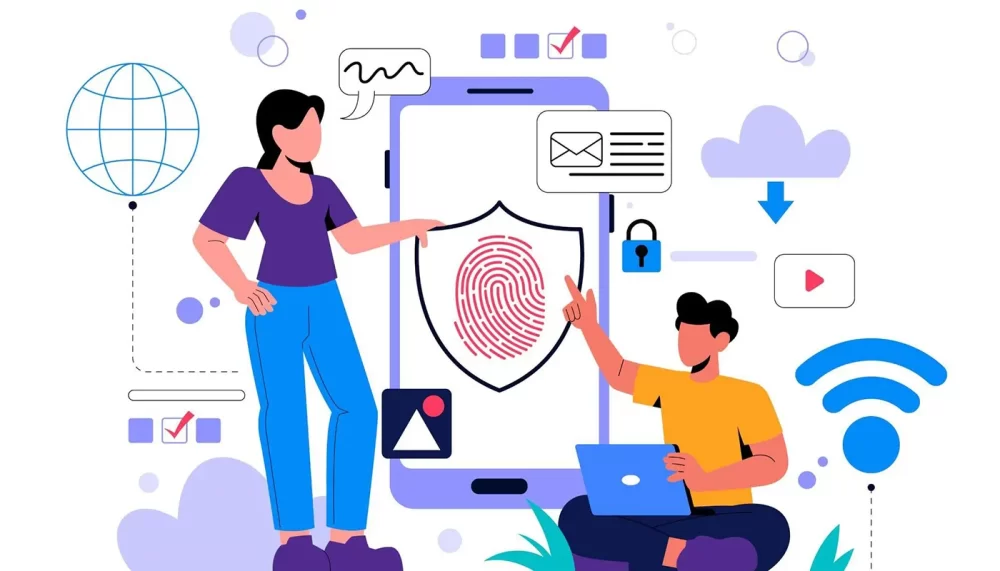
Passkeys are not just about security; they’re about improving the overall user experience. By replacing clunky logins with a single tap or scan, they make authentication faster and less stressful. No more guessing forgotten passwords or dealing with email verifications.
Instead, users can log in with something they already use and trust Face ID or fingerprint recognition.
This increased convenience directly equates to increased engagement. The fewer the barriers, the more likely users are to stick around and complete a purchase or engage with content. Passkeys ensure that users focus on whatever they want to do, whether it’s checking out a shopping cart or reading an article, without frustrating login processes.
4 Top Secrets of Facebook and Apple RelationshipDesigning Around Familiarity
With passkeys, one of the most powerful aspects for web designers is how they seamlessly integrate with elements that users already recognize. Symbols like Face ID or fingerprint icon are universally understood, thanks to years of use in smartphones.
Companies like OwnID have taken this a step further, incorporating these familiar symbols into their implementations of passkeys. This reduces the learning curve for users and builds trust by aligning with well-established visual cues.
For the design of passkeys, the invisible feeling is just what authentication should have. By using these design elements, sites and apps will more naturally integrate passkeys into their flow without overwhelming users. This perfectly aligns with user-centered design principles wherein functionality is built around user behaviors and expectations.
What is Cloud Hosting?The Role of Web Design in Reducing Friction
Web design is the backbone of creating a frictionless experience. Every element on a page, from layout to the placement of login prompts, plays a part in how easy or difficult it is for users to achieve their goals.
Passkeys fit into this ecosystem by removing one of the most common points of friction: the login process. Now, designers can focus on smooth transitions and other aspects of the experience, such as personalization and interactivity. The result is a leaner, more efficient interface that doesn’t sacrifice security.
Trust Through Design
Trust is a very significant aspect of UX. People need to know that their information is safe, without necessarily having to understand very technical explanations or terminology. Passkeys strike the balance in presenting security in an easily digestible package.
Best Apps for Learning Musical Notation and Enhancing Solfeggio SkillsFor example, when users see familiar prompts to scan their faces or fingerprints, they immediately associate them with the security features of their devices. This familiarity breeds trust, making it easier for users to embrace passkeys as a default authentication method.
This sense of trust can be further perpetuated by web designers through clean, minimalist designs around authentication points. Clear labels, subtle animations, and reassuring messages like “Securely sign in with your device” contribute to the feeling of safety and ease.
Future-Proofing Authentication
As technology evolves, so do user expectations. Passkeys are not just a solution for today’s problems, they’re a forward-thinking approach to authentication that aligns with the growing demand for effortless, secure interactions.
By integrating passkeys into their designs now, web designers are setting the stage for a future where passwords are a relic of the past.
Moreover, passkeys offer opportunities for creative experimentation. Imagine a world where signing in becomes part of the brand experience, custom animations, interactive feedback, or unique visual elements that enhance a site’s personality while maintaining security.
A Win-Win for Users and Businesses
For businesses, adopting passkeys isn’t just about improving UX; it’s about improving bottom-line results. A smoother login process means higher conversion rates, fewer abandoned carts, and greater customer satisfaction. At the same time, added security reduces the risk of costly data breaches and builds a stronger reputation for trustworthiness.
To users, the idea of passkeys implies one thing: freedom from the aggravation of remembering passwords, freedom from the insecurity of forgetting login details, and freedom to interact with experiences natively.
A Natural Evolution in Web Design
More than a technological shift, the adoption of passkeys is a design evolution. It embodies everything good web design strives for: simplicity, usability, and inclusivity. Embracing passkeys, designers will be able to create experiences that go beyond meeting user expectations to setting new bars for what it means to interact online.
As we head towards a passwordless future, the integration of passkeys into web design shows what’s possible when security and user experience come together. Whether you tap, scan, or glance to log in, one thing is for sure: those days of forgotten passwords are finally over.
Learn more about passkeys at Passkeys.com