

Starting a men’s clothing business is not just exciting—it can be seriously rewarding too. In today’s world, where style and self-expression matter more than ever to modern men, there’s a huge opportunity waiting. Whether you’re dreaming of crafting sleek high-end suits or launching a laid-back streetwear line, building a successful menswear brand takes more than just a good eye for fashion. You’ll need smart planning, a clear strategy, and a deep understanding of the people you’re designing for. This guide will walk you through all the key steps—from doing your market homework to building your brand, sourcing the right materials, opening your store, and more.
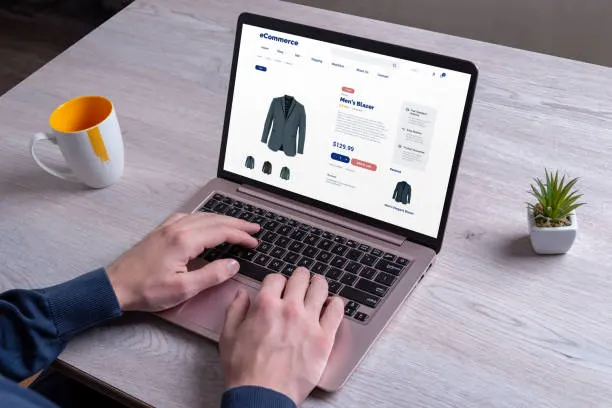
Conduct Thorough Market Research
Before you design your first blazer or select fabrics, it’s crucial to understand the men’s fashion market. Market research helps you identify trends, pinpoint your ideal customer, and evaluate the competitive landscape.
Identify Your Target Audience
Start by asking: Who are you designing for? Are your customers young professionals looking for slim-fit suits? Are they grooms seeking custom wedding attire? Or perhaps fashion-forward men who value sustainability in casual wear? Define their:
- Age group
- Lifestyle and values
- Shopping habits
- Budget preferences
Analyze Trends and Competitors
Use tools like Google Trends, Statista, or social media platforms to track popular styles and consumer behavior. Analyze top-performing men’s fashion brands in your niche and study their product lines, pricing strategies, and marketing efforts. By identifying market gaps or underserved audiences, you can position your brand more effectively.

Build a Strong and Memorable Brand
Your brand is more than just a nice logo or a cool name. It is a holistic experience – reflecting your philosophy, style and expression. Especially in the menswear industry, a recognizable brand can turn “one-time” customers into long-term fans. Whether you are focusing on luxury and elegance or taking a modern and simple route, your brand should tell a real and resonant story. It should have attitude, warmth, and be special enough to be remembered at a glance.
The eCommerce Platform Competition is Heating UpDefine Your Brand Identity
Choose a brand name that reflects your style and values. Then create a visual identity, including:
- Logo design
- Brand colors and typography
- Voice and messaging style
For example, a brand targeting minimalist luxury may use monochromatic tones, clean typography, and a refined tone of voice. If you’re catering to modern grooms, your branding should evoke sophistication and confidence.
Craft a Brand Story
Today’s consumers buy into stories, not just products. Share your journey, your passion for menswear, and what sets your designs apart. This builds emotional connections and fosters brand loyalty.
Understanding the Different Types of Web HostingSource Quality Suppliers and Materials
High-quality materials and reliable suppliers are the foundation of any successful menswear brand. Especially in categories like suits, quality can make or break your reputation.
Choose Your Product Categories
Start with a focused product line that reflects your brand. Common men’s clothing categories include:
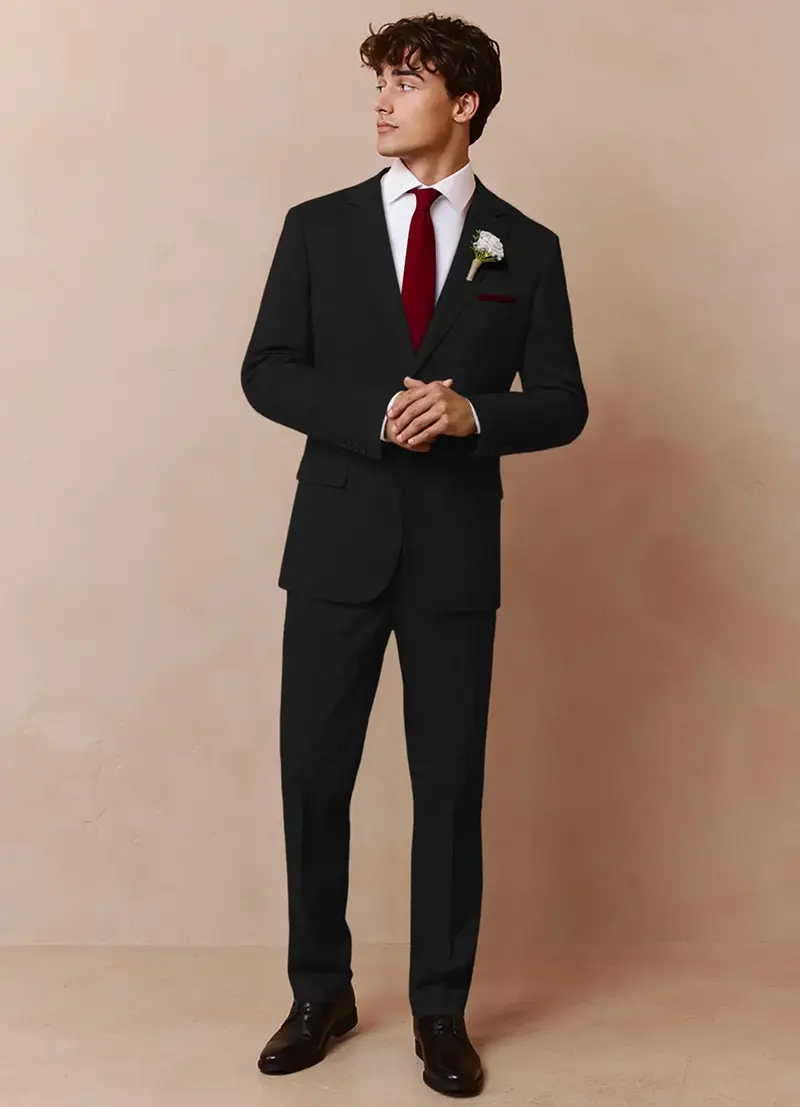
- Suits (two-piece, three-piece, tuxedos)
- Dress shirts
- Casual shirts
- Trousers and chinos
- Blazers and jackets
- Outerwear (coats, trench coats)
- Accessories (ties, pocket squares)
Find the Right Manufacturers
Look for manufacturers with experience in producing menswear, particularly formalwear if suits are your focus. Key factors to consider:
Best Stay At-Home Jobs To Make Money In 2020- Minimum order quantities (MOQs)
- Fabric sourcing capabilities
- Customization options (e.g., measurements, lining, embroidery)
- Certifications (for sustainable or ethical practices)
Use platforms like Alibaba, Maker’s Row, or Common Objective to connect with reputable vendors. For luxury tailoring, consider partnerships with Italian or British mills known for premium wool and cashmere.
Launch Your E-commerce Store
With online shopping dominating the retail landscape, launching a professional e-commerce store is essential for any modern fashion brand.
Choose an E-commerce Platform
Platforms like Shopify, BigCommerce, and WooCommerce are ideal for small businesses. They offer mobile-responsive templates, built-in payment gateways, and inventory management tools—perfect for showcasing and selling men’s fashion products.
Death is coming Tribute to Game of Thrones – Parallax Scrolling WebsiteOptimize Product Pages
Ensure every product page includes:
- High-quality images (showcasing different angles and close-ups of fabrics)
- Size and fit guides
- Detailed product descriptions
- Style suggestions (e.g., how to wear the suit for weddings or business meetings)
Market Your Brand Effectively
You can design the sharpest menswear in the world, but without effective marketing, they won’t sell. Use both organic and paid strategies to drive traffic and increase sales.
Focus on Content Marketing
Start a blog on your website with articles like:
- “How to Choose the Right Suit for Your Body Type”
- “Best Menswear for Dating”
- “5 Men’s Wardrobe Essentials Every Groom Needs”
This content will naturally incorporate long-tail keywords, improve SEO, and position your brand as an authority in men’s fashion.
Leverage Social Media and Influencer Marketing
Platforms like Instagram, Pinterest, and TikTok are powerful tools for showcasing style. Collaborate with male fashion influencers or stylists to feature your products in real-world settings.

Use Targeted Ads
Using suits as an example, run ads on Facebook and Google and target keywords like “custom wedding suits,” “affordable men’s suits,” or “custom groom suits.” Segment your audience based on age, marital status, and fashion interests.
Analyze Data and Optimize Your Website
Once your store is live, ongoing optimization is key to long-term success.
Monitor Key Metrics
Use Google Analytics, Hotjar, and your platform’s native dashboards to track:
- Website traffic
- Conversion rates
- Bounce rates
- Cart abandonment
Study which pages perform well, what products sell the most, and where users drop off.
Improve User Experience (UX)
Make your website easy to navigate and fast-loading. Ensure your checkout process is seamless on both desktop and mobile devices. A smooth experience keeps customers engaged and returning.
Final Thoughts
Starting a men’s clothing business, especially one focused on high-demand products like suits, is both challenging and rewarding. By conducting thorough research, building a compelling brand, sourcing quality materials, and executing effective marketing strategies, you can carve out a successful niche in the competitive world of men’s fashion.