

Entering the job market as a fresh graduate can be daunting, with numerous challenges like intense competition and a lack of experience. Strategic job hunting tips for graduates are crucial to navigating this landscape successfully. This guide offers insights into understanding current job market trends, preparing impactful resumes and cover letters, building a robust online presence, and mastering job search strategies. Additionally, it delves into networking, acing interviews, negotiating job offers, and overcoming common challenges faced by new graduates. By the end of this guide, fresh graduates will have a comprehensive toolkit to kickstart their careers effectively.Insert
Understanding the Job Market
Navigating the job market requires awareness of current trends and understanding which industries value fresh talent.
Current Trends in the Job Market
The job market is continuously evolving. Recent shifts include increased demand for digital skills due to technological advancements and remote work opportunities. Companies prioritize adaptability and problem-solving abilities. Furthermore, there is a growing emphasis on diversity and inclusion initiatives within hiring processes. Employers are increasingly seeking candidates who can bring diverse perspectives and innovative solutions to the table.
High-Demand Industries for Fresh Graduates

Certain industries are particularly welcoming to fresh graduates. Technology, healthcare, finance, and renewable energy sectors frequently seek new talent. These industries offer various entry-level roles that allow graduates to apply their academic knowledge while gaining practical experience. For instance, the technology sector offers positions in software development, data analysis, and cybersecurity, where fresh graduates can leverage their technical skills and creativity.
Skills Employers Are Looking For
Employers value both technical and soft skills in potential hires. Key skills include:
Top Job Hunting Tips for Students: Land Your Dream Job Fast- Technical Skills: Proficiency in specific software or programming languages, such as Python, Java, or SQL.
- Soft Skills: Strong communication, teamwork, and critical thinking abilities that facilitate effective collaboration and problem-solving.
- Adaptability: Ability to adjust to changes and learn new tools quickly, which is crucial in fast-paced work environments.
Preparing for the Job Search
Preparation is key to standing out in the competitive job market. Crafting an effective resume and cover letter is essential.
How to Create an Effective Resume
A strong resume showcases your qualifications and experience concisely.
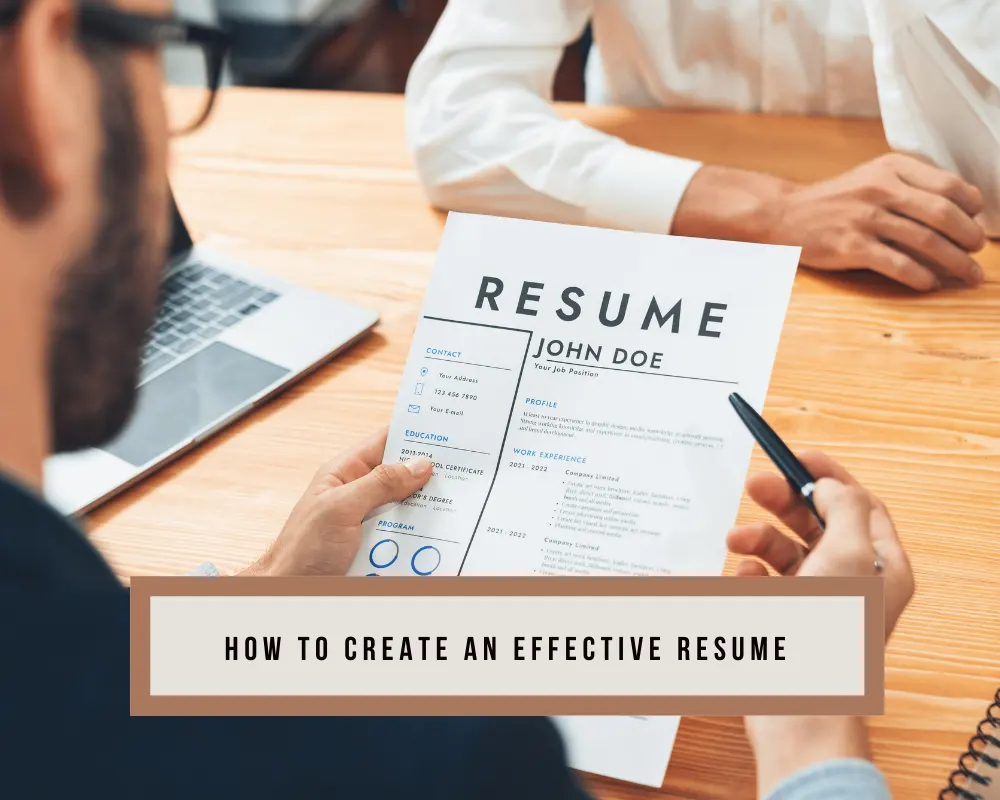
Key Elements of a Strong Resume
- Contact Information: Ensure your name, phone number, and email address are clear and professional.
- Summary Statement: Briefly highlight your career goals and skills, focusing on what you can offer to potential employers.
- Education: List your degree(s), with relevant coursework or honors that demonstrate your expertise in specific areas.
- Experience: Include internships or part-time jobs, with specific achievements that highlight your contributions and impact.
- Skills: Highlight relevant technical and soft skills that match the job description.
Common Mistakes to Avoid in a Resume
Avoid errors that may undermine your application:
What Font Is APA Style? The Ultimate 2026 Formatting Guide (7th Edition)- Typos or grammatical errors that suggest a lack of attention to detail.
- Including irrelevant information that distracts from your core qualifications.
- Using generic language instead of action-oriented words that demonstrate your accomplishments.
Crafting a Compelling Cover Letter
A personalized cover letter can significantly enhance your application.
Essential Components of a Cover Letter
- Introduction: State the position you are applying for and how you found it. Express enthusiasm for the opportunity.
- Body: Discuss your qualifications and how they relate to the role. Provide specific examples of relevant experiences.
- Conclusion: Express enthusiasm for the opportunity to interview and propose a follow-up action.
Personalizing Your Cover Letter for Each Job Application
Tailor each cover letter to the specific company and position, demonstrating genuine interest and understanding of their values. Research the company’s mission and recent projects to align your cover letter with their goals.
Building Your Online Presence
Your online presence is crucial in modern job hunting, with LinkedIn being a primary platform for professional networking.
How to get Student Discount for Amazon Prime: Eligibility, Cost, Benefits & How to Sign UpImportance of LinkedIn in Job Hunting
LinkedIn provides a platform to showcase your professional profile and connect with industry leaders. It serves as an online resume that can attract recruiters actively seeking candidates.
How to Optimize Your LinkedIn Profile
- Profile Photo: Use a professional headshot that reflects your industry standards.
- Headline: Clearly state your career aspirations or current role.
- Summary: Write a compelling overview of your skills and experiences that highlights your unique value proposition.
- Endorsements & Recommendations: Request these from colleagues or professors to enhance credibility and validate your skills.
Building a Network on LinkedIn
Engage with industry groups and participate in discussions. Send personalized connection requests to professionals in your field. Share relevant content and articles to position yourself as an engaged member of your industry.
Managing Your Digital Footprint
Ensure your online presence is professional. Regularly update privacy settings on social media and remove any unprofessional content. Conduct a self-audit by searching your name online to ensure all public information aligns with your professional image.
Best Online MBA Healthcare Management Programs USA (2026 Guide)Yes, you’re correct. Let’s expand on that section to provide more detailed insights.
Job Search Strategies
Effective job search strategies can streamline your efforts and increase success rates. By adopting a systematic approach, fresh graduates can identify opportunities that align with their career goals and skill sets.

How to Identify Potential Employers
Identifying potential employers involves researching companies that match your career aspirations and personal values. Begin by creating a list of companies within your desired industry. Use online resources such as company websites, news articles, and business directories to gather information about their culture, values, and growth potential.
- Industry Reports: Review industry reports to understand leading companies and emerging players in your field.
- Company Reviews: Websites like Glassdoor provide insights into employee experiences and company culture, helping you assess whether a company is a good fit.
- Social Media: Follow companies on platforms like LinkedIn and Twitter to stay updated on their latest news and initiatives.
Using Job Search Engines Effectively
Job search engines are powerful tools for discovering job openings. To maximize their utility, use advanced search features to filter job listings by location, industry, job function, and experience level.
- Set Up Alerts: Create job alerts based on specific criteria to receive notifications about new opportunities directly to your inbox.
- Keyword Optimization: Use relevant keywords in your search queries to find positions that closely match your skills and interests.
- Save Searches: Save your search criteria on platforms like Indeed or LinkedIn to easily revisit and update your search results.
The Role of Recruitment Agencies for Fresh Graduates
Recruitment agencies can be valuable allies in the job search process, providing access to exclusive job listings and offering personalized guidance.

- Specialized Agencies: Consider agencies that specialize in your field of interest, as they have deeper insights and connections in specific industries.
- Consultation Services: Many agencies offer resume reviews, interview coaching, and career advice tailored to your needs.
- Temporary Positions: Agencies often have temporary or contract positions that can provide valuable experience and potentially lead to permanent roles.
By employing these strategies, fresh graduates can effectively navigate the job market, identify suitable employers, and secure opportunities that align with their career objectives.
Networking and Building Connections
Building a strong network can open doors to unadvertised opportunities.
How to Network as a Fresh Graduate
Start by reaching out to alumni or attending networking events. Be proactive in introducing yourself and expressing interest in learning from others. Prepare an elevator pitch that summarizes your background and career goals succinctly.
Leveraging Alumni Networks and University Career Services
Alumni networks can offer mentorship opportunities. University career services often host workshops and career fairs beneficial for networking. Engage with alumni through informational interviews to gain insights into various career paths.

Attending Industry Events and Career Fairs
Participate in industry-specific events to gain insights into trends and meet potential employers. Prepare a pitch about your skills and interests to make a lasting impression. Follow up with contacts you meet at these events to maintain relationships.
Applying for Jobs
A strategic approach to job applications increases the likelihood of success.
Tailoring Your Application for Different Roles
Customize resumes and cover letters for each application to address specific job requirements. Highlight relevant experiences or skills that directly relate to each position you apply for.
How Many Jobs Should You Apply For?
Apply broadly but maintain quality over quantity. Focus on roles that match your skills and interests, aiming for around 10–15 applications weekly. Track applications in a spreadsheet to manage follow-ups effectively.
Following Up on Job Applications
After submitting an application, send a polite follow-up email after one week to express continued interest. Reiterate why you are a good fit for the role and inquire about the next steps in the hiring process.
Acing the Interview Process
Preparation is crucial for interview success, whether in-person or virtual.
Common Interview Questions and How to Answer Them

Prepare responses for questions like:
- “Tell me about yourself.” Focus on relevant experiences that demonstrate your fit for the role.
- “What are your strengths and weaknesses?” Be honest but strategic in highlighting strengths that align with the job.
- “Why do you want to work here?” Show knowledge about the company’s mission and recent achievements.
Structure answers using the STAR method (Situation, Task, Action, Result) for behavioral questions to provide clear examples of past experiences.
Dressing for Success: What to Wear to an Interview
Dress appropriately for the industry—typically business casual or formal attire. Ensure your outfit is neat, comfortable, and aligns with the company’s culture, as observed through research or social media channels.
Virtual Interviews: Tips and Tricks
- Test technology beforehand to avoid technical glitches during the interview.
- Ensure proper lighting and background settings are professional.
- Maintain eye contact by looking at the camera rather than the screen.
Negotiating Job Offers
Negotiation can be intimidating but is essential for securing fair compensation.
Understanding Salary and Benefits Packages

Research average salaries in your field using resources like Glassdoor or Payscale. Consider benefits such as health insurance, retirement plans, stock options, flexible working conditions, and vacation time when evaluating offers.
How to Negotiate Your First Salary
Politely express appreciation for the offer before discussing salary expectations. Use researched data to justify your counteroffer. Emphasize how your skills will add value to the company as leverage during negotiations.
Accepting or Declining a Job Offer
Once satisfied with the offer terms, express gratitude before accepting. If declining, remain courteous and professional. Provide constructive feedback, if appropriate, to leave a positive impression for future interactions.
Overcoming Common Challenges
Resilience is key when facing obstacles during the job search process.
Dealing with Rejection and Maintaining Motivation
Rejection is part of the process. Seek feedback where possible, remain positive, and focus on areas for improvement. Set realistic goals for job applications each week to maintain momentum without feeling overwhelmed.
Handling Lack of Experience in Job Applications
Emphasize transferable skills from academic projects or volunteer work. Consider internships or temporary roles to gain experience. Highlight any extracurricular activities or leadership roles that demonstrate initiative and responsibility.
Continuing Professional Development
Lifelong learning keeps you competitive in the workforce.
Importance of Lifelong Learning and Skill Development
Continuously upgrading skills through courses or certifications enhances employability and career advancement prospects. Stay informed about industry trends through webinars, podcasts, and professional publications.
Online Courses and Certifications for Career Advancement
Platforms like Coursera or Udemy offer courses in various fields. Focus on courses that boost skills pertinent to your desired career path. Certifications from platforms like LinkedIn Learning can enhance your qualifications on digital profiles.
Conclusion
Entering the job market as a fresh graduate requires strategic planning and perseverance. Understanding market trends, preparing effective applications, building networks, and continuous learning are key components of successful job hunting. By applying these tips, graduates can navigate the challenges of finding their ideal role with confidence.
Frequently Asked Questions (FAQs)
What Are the Best Resources for Fresh Graduates Looking for Jobs?
Job search engines like LinkedIn, Glassdoor, university career services, recruitment agencies, and professional networking events are excellent resources. Additionally, online forums such as Reddit’s career advice communities provide peer support.
How Long Does It Typically Take for Fresh Graduates to Find a Job?
On average, it can take three to six months to find a suitable position, though this varies based on industry demand and individual effort. Persistence is essential; continuing skill development during this time can increase employability.
What Mistakes Should Fresh Graduates Avoid During Job Hunting?
Avoid submitting generic applications without customization, neglecting networking opportunities, which limit exposure to potential employers; underestimating the importance of follow-ups, which demonstrate interest; failing in preparation, which negatively impacts interview performance.
Additional Resources
- Recommended Books: “What Color Is Your Parachute?” by Richard N. Bolles
- Websites: LinkedIn Learning
- Contact Information: University Career Counseling Services