

Stage fright is a common experience that many people face when they have to speak, perform, or present in front of an audience. If you want to learn how to handle stage fright public speaking, you are not alone. Stage fright, also known as performance anxiety, can make you feel nervous, scared, or worried about being judged by others. This feeling can cause physical symptoms such as sweating, shaking, or a fast heartbeat.
Understanding why stage fright happens and learning how to handle it can help you become more confident when speaking or performing in public. In this article, we will explore what causes stage fright, how to prepare for it, and simple ways to manage it so you can perform your best.
1. Understanding Stage Fright
Psychological Basis of Stage Fright
Stage fright happens because your brain perceives the situation as stressful or threatening. When you stand in front of a crowd, your brain might think you are in danger, even though you are safe. This triggers the “fight or flight” response, releasing adrenaline into your body. Adrenaline prepares you to either face danger or run away from it.
Physical Reactions Caused by Anxiety
The adrenaline causes physical changes such as increased heart rate, rapid breathing, sweating, dry mouth, and trembling hands or legs. These reactions are normal but can be uncomfortable and distracting during your performance.
The Role of Fear of Judgment
Most people with stage fright worry about being judged negatively by the audience. They fear making mistakes, forgetting their lines, or looking foolish. This fear increases anxiety and makes stage fright worse.What if AI could recreate any Hollywood blockbuster but with you as the lead actor in seconds?
2. Preparing to Overcome Stage Fright Public Speaking
Importance of Preparation and Practice
One of the best ways to reduce stage fright is thorough preparation. When you know your material well, you feel more confident and less worried about forgetting what to say.
Practice your speech or performance several times. Use a mirror, record yourself, or practice in front of friends or family.
Techniques for Rehearsing Effectively
- Break your presentation into smaller parts and practice each part slowly.
- Use note cards with key points to help you remember important ideas.
- Time your practice sessions to make sure you don’t go over the allowed time.
- Practice using the actual equipment or location if possible (e.g., microphone, stage).
Visualizing Success
Visualizing success means imagining yourself giving a great performance confidently. Close your eyes and picture the audience smiling and applauding. This positive mental image helps calm nerves and builds self-belief.
3. Techniques to Handle Stage Fright Public Speaking
Breathing Exercises
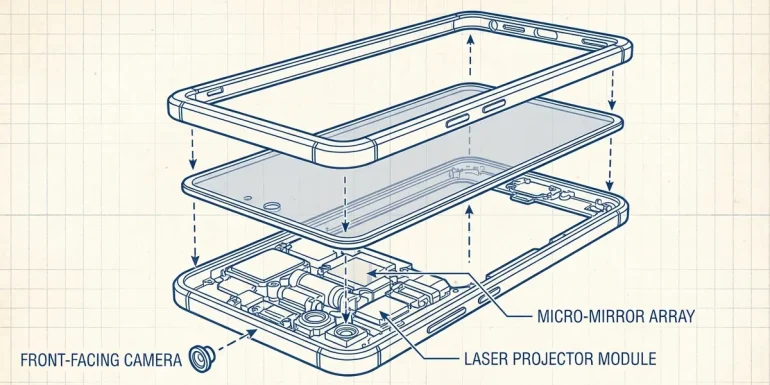
Deep breathing slows down your heart rate and relaxes your body. Try this simple exercise:What if the next iPhone features a built-in holographic projector for 3D FaceTime calls and gaming?
- Breathe in slowly through your nose for 4 seconds.
- Hold your breath for 4 seconds.
- Breathe out slowly through your mouth for 6 seconds.
- Repeat 3-5 times until you feel calmer.
Relaxation Methods
Progressive Muscle Relaxation: Tense each muscle group for 5 seconds, then relax it. Start from your toes and move up to your head.
Meditation: Spend a few minutes focusing on your breath or a calming word to clear your mind.
Positive Self-Talk and Affirmations
Replace negative thoughts like “I’ll mess up” with positive ones like “I am prepared and can do this.” Repeat affirmations such as “I am calm,” “I am confident,” or “I can handle this” before going on stage.
Grounding Techniques
If you feel overwhelmed during the performance, try grounding techniques like pressing your feet firmly on the floor or holding an object in your hand to stay connected to the present moment.10 Secret Tips on How to Get Audience Attention in a Speech Quickly
4. Practical Tips During the Performance
Focusing on the Message, Not the Audience
Instead of worrying about how others see you, focus on delivering your message clearly and helping people understand what you want to say.
Starting with a Strong Opening
Begin with a question, story, or interesting fact to grab attention and boost your confidence right away. For more detailed strategies on how to get audience attention effectively in public speaking, check out How to Get Audience Attention in a Speech.
Making Eye Contact and Connecting with the Audience
Look at friendly faces in different parts of the room. This creates a connection and makes you feel supported.
Handling Mistakes Gracefully
Everyone makes mistakes. If you forget a line or stumble, take a deep breath and move on calmly. The audience is usually forgiving and more focused on your overall message than small errors.10 Interactive Ideas for a Presentation That Wow Any Audience
5. Building Confidence for Future Performances
Gradual Exposure to Public Speaking
Start by speaking in front of small groups and gradually increase the audience size as you become more comfortable.
Joining Clubs or Groups
Groups like Toastmasters provide safe environments to practice public speaking regularly and receive helpful feedback.
Seeking Feedback and Continuous Improvement
Ask trusted friends or mentors for constructive feedback. Use it to improve your skills step by step.
For ideas on making your presentations more interactive and engaging—which can also help reduce stage fright, explore Interactive Ideas for a Presentation. Top Customer Relationship Management Challenges & Solutions
6. When to Seek Professional Help
Sometimes stage fright can be very intense and interfere with daily life. If you experience panic attacks, extreme avoidance of any public speaking, or severe physical symptoms, it may be time to seek help from a therapist or a coach specializing in anxiety management.
Cognitive-behavioral therapy (CBT) is an effective treatment that helps change negative thought patterns related to stage fright.
Conclusion
Learning how to handle stage fright public speaking is important if you want to communicate confidently in front of others. Stage fright is a natural reaction that many people experience when facing an audience. Understanding why it happens and learning how to manage it can help you become a confident speaker or performer.
Key steps include preparing thoroughly, practicing relaxation techniques like deep breathing, using positive self-talk, focusing on your message during performances, and gradually building experience.
Remember that mistakes are normal and can be handled gracefully. If needed, don’t hesitate to seek professional support.
By applying these tips consistently, you can reduce stage fright and enjoy sharing your ideas confidently with others.