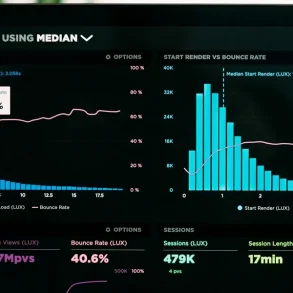

There are many factors that will determine the long-term success of a website. One overlooked variable involves how long it takes pages to load. Believe it or not, slow page loading times can dramatically diminish the end-user appeal of any site, and it may cause visitors to look elsewhere. How can you avoid this unenviable situation? We will examine four effective techniques immediately below.
Upgrade Your Hosting Service
Do you currently work with a shared hosting provider? If so, it could be time for a change. Shared hosts will often suffer from sluggish loading times; particularly during periods of high bandwidth usage. It is much better to migrate to a private VPS hosting service for businesses. This type of dedicated host will not experience bottlenecks, and the best providers offer uptimes exceeding 99.9 per cent.
Less May be More
Some websites are laden with elements that will inevitably lead to slower speeds. This was actually rather common during the 1990s, as users were already accustomed to sites that required a significant amount of time to fully load. We are now witnessing a migration to what experts call “minimalist website design. There are two primary benefits associated with this approach. The first involves the time required for a page to load (normally less than one seconds). Navigation is also streamlined; helping to ensure higher rates of end-user engagement.
Image Considerations
Another common culprit that has been attributed to sluggish website performance involves embedded images. While high-definition images are appealing to the eye, they can also cause loading issues. One of the ways to optimise the performance of your portal is to compress these images into smaller formats. Not only will this increase page speeds, but optimised images are ideally suited for smartphone users.
Browser Caching
This rather technical term involves temporarily storing data on a user’s hard drive. The intention here is to avoid sending a new HTTP request every time the individual returns to visit the site. This strategy is commonly employed by e-commerce platforms that experience a considerable number of inbound hits. However, note that customers should be made aware that their data is being stored, and they must be provided with a means to opt-out if desired. This will provide your brand with a greater degree of transparency.
Revolutionizing Transactions with 0xProcessingCoding Concerns
Webmasters should regularly evaluate their coding architecture. There may be times when dense lines of code can cause certain actions within a website to execute slowly. Check for redundancies, use efficient algorithms, and remove unnecessary snippets that do not directly impact the end-user experience. It could also be wise to speak with a website design expert if you do not possess the technical know-how.
Please keep in mind that in many cases, there is no single reason for slow page loading times. Multiple factors may come into play. This is why it is important to resolve small issues before they snowball into larger problems. Adopting a proactive mindset will ensure that your website functions like a well-oiled machine.