
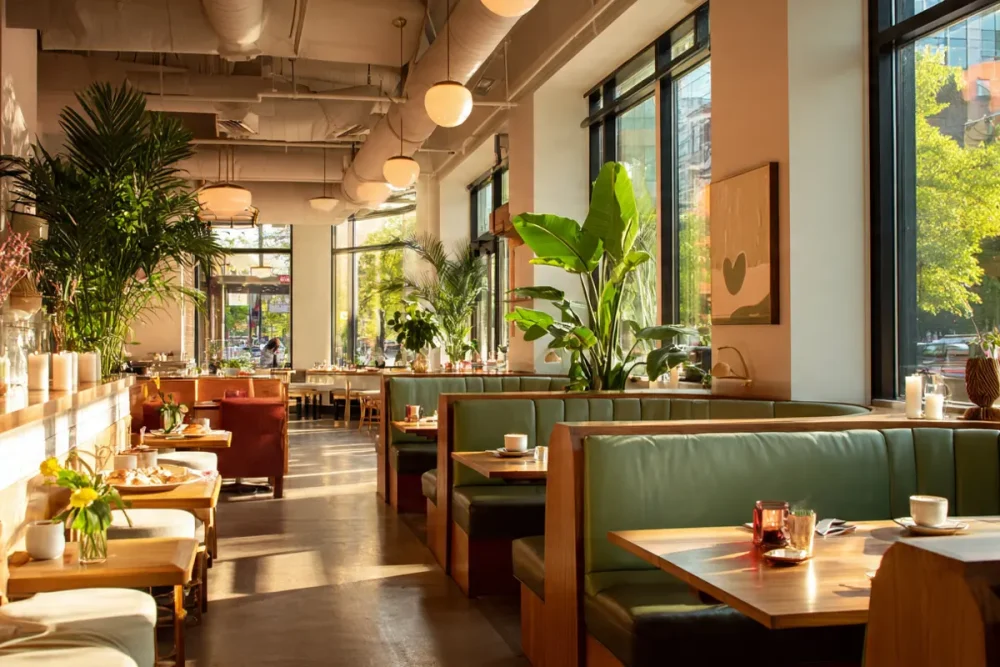
The “Dawn to Dusk” restaurant model—also known as the All-Day Dining or Hybrid Cafe-Bar concept—is rapidly becoming the gold standard for modern hospitality entrepreneurs. By operating from early morning breakfast service through to late-night cocktails, restaurateurs can effectively double their revenue potential without increasing their rent.
However, executing a successful Dawn to Dusk restaurant plan requires more than just keeping the doors open for 16 hours. It requires a strategic mastery of “dayparting”—the art of subtly transforming your venue’s atmosphere, menu, and operations to match the changing needs of customers throughout the day.
This guide provides the ultimate blueprint for planning, designing, and running a profitable dawn-to-dusk establishment.
1. The Business Case: Why the Dawn to Dusk Model Wins
Traditional restaurants often leave their dining rooms empty for 12+ hours a day. A dinner-only venue pays 24 hours of rent but only generates revenue for 5. The Dawn to Dusk plan solves this inefficiency.
Revenue Maximization
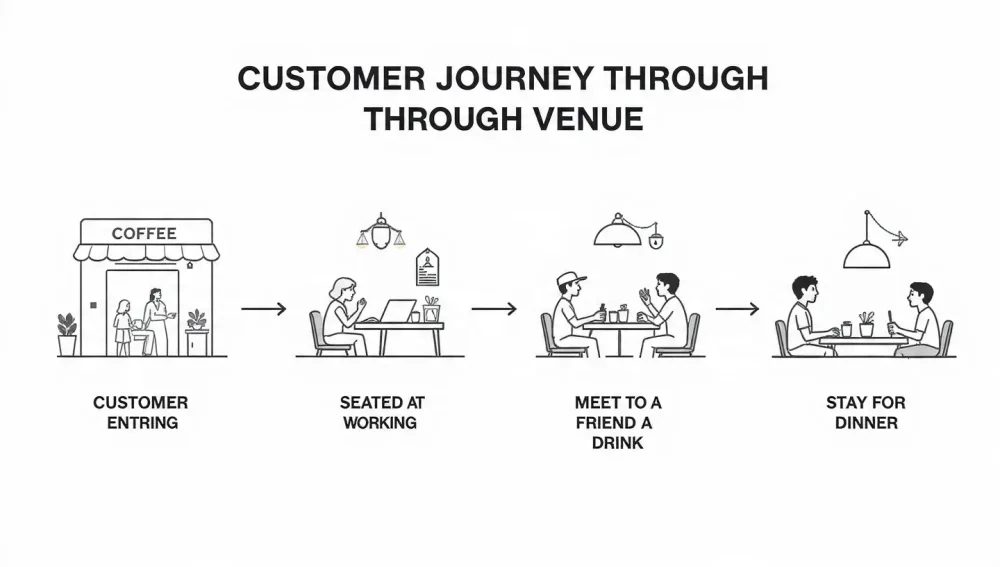
- 7:00 AM – 11:00 AM (Dawn): High-volume, low-ticket coffee and pastry sales. Commuter traffic.
- 11:00 AM – 3:00 PM (Midday): Laptop workers, business lunches, and casual brunch.
- 3:00 PM – 6:00 PM (The Bridge): “Aperitivo” hour, remote workers finishing tasks, school run parents.
- 6:00 PM – Close (Dusk): High-ticket dinner service, wine, and cocktails.
The “Third Place” Advantage
By offering a space that works as well for a morning meeting as it does for a first date, you become the neighborhood’s “Third Place” (after home and work), building deeper loyalty than a single-service venue.What Fonts Does Instagram Use? (The 2026 Definitive Guide)
2. Architectural Plans & Interior Design
Designing for a dawn-to-dusk concept is challenging because the psychological needs of a breakfast customer are opposite to those of a dinner guest. Your physical plans must account for this duality.
Zoning Strategy
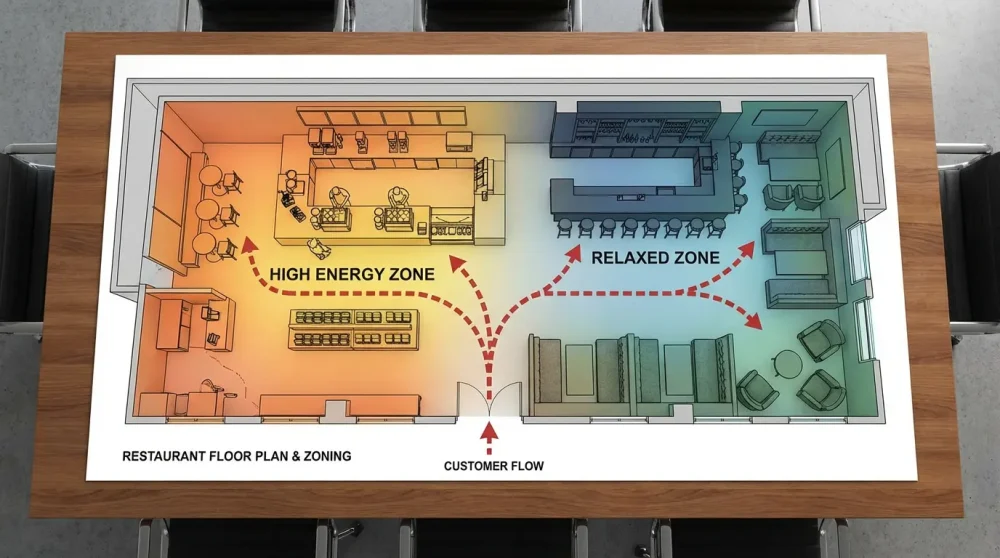
Do not treat your floor plan as a single block. Divide it into distinct zones:
- The Solar Zone (Active): Located near the entrance/windows. High stools, communal tables, and bright natural light. This is your “grab-and-go” engine during the morning.
- The Lunar Zone (Intimate): Located deeper in the venue or in alcoves. Booth seating, softer materials, and lower ceilings. This area anchors your dinner service.
The Lighting Transition Plan
Lighting is the single most critical element in a dawn-to-dusk plan. You need a variable lighting system (dimmers and warm-temperature bulbs) that transitions automatically.
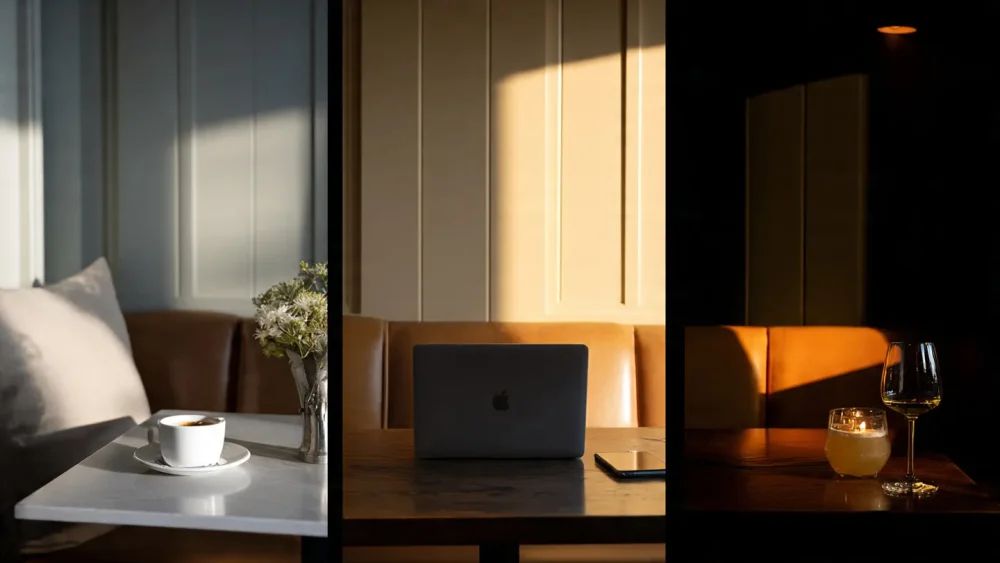
- Dawn (4000K – 5000K): Mimic daylight. Bright, energizing, cool tones.
- Dusk (2700K – 3000K): Mimic firelight. Dim, warm, intimate.
- The Pivot: At 4:00 PM, slowly dim the overheads and activate table lamps or candles. This visual cue signals to laptop users that the “office” is closing and the “bar” is opening.
3. Operational Plans: Menu Engineering & Dayparting
You cannot simply run two different restaurants in one space; you need a cohesive identity. However, your menu needs to shapeshift.What is the Best Software for Logitech Mouse?
The “Bridge” Ingredients
To keep food costs low and efficiency high, plan a menu where core ingredients travel across dayparts.
- Example: Sourdough bread is toast at breakfast, a tartine at lunch, and a bruschetta base at dinner.
- Example: Espresso beans are for lattes at dawn and Espresso Martinis at dusk.
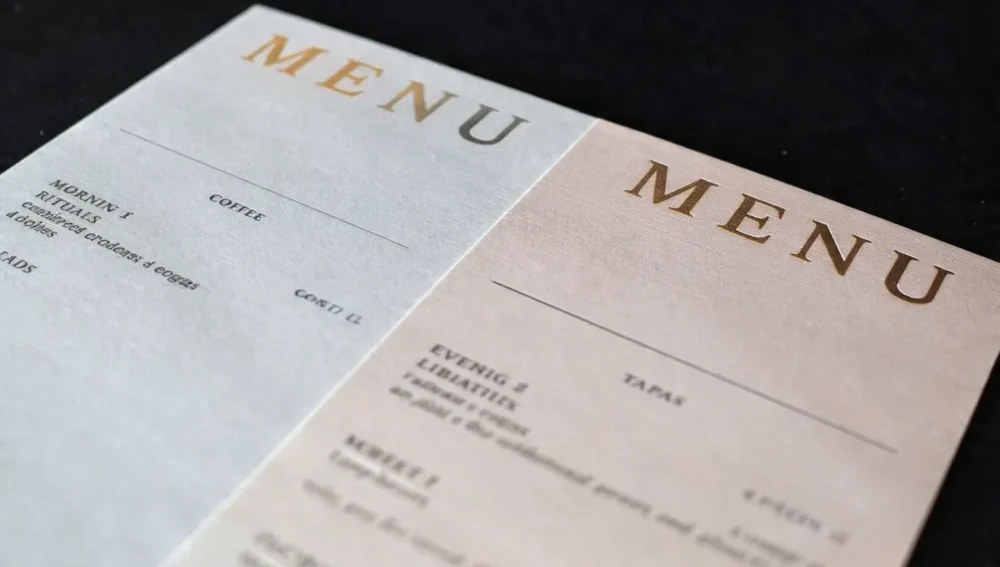
Menu Transition Schedule
| Time | Service Focus | Menu Type | Vibe |
|---|---|---|---|
| 07:00 – 11:00 | Speed & Convenience | Counter Service / Grab-and-Go | Upbeat music, bright lights |
| 11:00 – 15:00 | Casual Dining | Table Service / Lunch Specials | Acoustic playlist, moderate volume |
| 15:00 – 17:00 | The “Lull” | Coffee & Cake / Small Plates | Lower tempo, transition period |
| 17:00 – Close | Experience & Upsell | Full Dinner / Cocktail List | Jazz/Lo-fi beats, dimmed lights, candles |
The “Laptop Policy”
A common pitfall in dawn-to-dusk plans is campers—people buying one coffee and occupying a table for 4 hours during dinner rush.
- The Strategy: Implement “Laptop-Free Zones” after 5:00 PM or designate specific “Co-working Tables” that are communal, leaving booths free for high-value diners.
4. Financial Planning & Staffing Models
Operating all day requires a sophisticated labor model. You cannot burn out your staff with double shifts.
Split-Shift Strategy
Instead of traditional shifts, use the “overlapping” model:How to Use Live Listen on iPhone Without AirPods
- The Opener: 6:00 AM – 2:00 PM (Barista focused)
- The Mid-Swing: 10:00 AM – 6:00 PM (Server/Runner focused)
- The Closer: 4:00 PM – Close (Bartender/Sommelier focused)
The critical overlap is between 10:00 AM and 2:00 PM (lunch rush) and 4:00 PM to 6:00 PM (happy hour transition).
Cost Control
- Inventory: Since you are open longer, your perishables move faster. This reduces waste compared to dinner-only spots.
- Utilities: Your HVAC and lights are on longer. Invest in energy-efficient equipment and smart thermostats to mitigate these higher fixed costs.
5. Case Study: The “Solar to Lunar” Design Concept
A leading example of this architectural philosophy is the DAWN to DUSK Restaurant designed by TOUCH Architect. Their approach literally carves the sun’s cycle into the building’s facade.
- Dawn Elements: The front zone (Solar Bar) uses white brick and arches to catch the morning east light. It is designed for quick movement.
- Dusk Elements: The rear zone (Lunar Space) uses darker woods and indirect lighting to create a “moonlight” effect, encouraging customers to linger and order a second bottle of wine.
Key Takeaway: Your physical space must tell the story of the day. If your dinner guests feel like they are sitting in a cafeteria, you have failed the transition.
6. Marketing Your Hybrid Concept
How do you market a venue that is two things at once?Everything You Need to Know About Kia Finance Pay Bill
- Google My Business: Ensure your listing hours reflect the full range. Use attributes like “Great for breakfast” AND “Great cocktails.”
- Social Media Splitting: Post morning content (latte art, pastries) at 8:00 AM and evening content (wine pours, steak frites) at 4:00 PM. Train your algorithm to reach different audiences at different times.
- The “Work from Home” Package: Offer a “Remote Worker Pass” – $25 for unlimited coffee and wifi from 9-5, which converts to a $25 credit toward dinner/drinks after 5 PM. This ingeniously converts low-ticket campers into high-ticket dinner guests.
comprehensive FAQ
Failing to dim the lights. If a customer walks in at 7 PM and the lights are as bright as they were at 8 AM, they will subconsciously feel they are in a “daytime” cafe and will order less alcohol and leave sooner. Lighting creates the check average.
Ideally, yes, or a very versatile Head Chef. Breakfast requires speed and short-order griddle skills. Dinner requires prep, finesse, and plating skills. A common model is a Sous Chef running the AM shift and the Head Chef running the PM shift.
Absolutely. Many customers searching for this term are looking for healthy, sustainable eating. You can offer a “Dawn to Dusk Wellness Menu” that features high-protein, low-sugar options (like Slimming World compliant dishes) that cater to health-conscious diners throughout the day.
Ventilation is key. You don’t want your 8 PM cocktail guests smelling bacon grease. Invest in a high-velocity hood system and consider baking pastries in the morning and grilling meats only in the evening. Scent marketing (fresh coffee smell in AM, subtle wood/amber scent in PM) can also help.How Much Does TikTok Pay You for 1 Million Views? A Comprehensive Guide to Monetizing Your TikTok Success
Yes, actually more so. In small spaces (under 1,500 sq ft), paying rent 24/7 is a burden. All-day dining allows you to generate revenue per seat 3-4 times a day (breakfast, lunch, snack, dinner) compared to just 1.5 times for dinner-only venues.